

MBBS at Jalal-Abad State University (Medical Faculty)
AV Global recommends Jalal-Abad State University (Medical Faculty) as an affordable and NMC-recognized public medical university in southern Kyrgyzstan offering quality medical education at exceptionally low tuition fees. Established in 1993, this go...
MBBS Fees at Jalal-Abad State University (Medical Faculty) for Indian Students 2025-26
$27,100 (approx. Rs.24.0 Lakhs)
Total MBBS Cost (6 Years)
Eligibility & Admission Process
Admission Process
Step 1: Eligibility Check - NEET qualification is mandatory for Indian students. General category students need minimum 50th percentile in NEET; SC/ST/OBC students need 40th percentile. Candidate must be 17 years or older by December 31 of the admission year.
Physics, Chemistry, and Biology studied in 10+2 with minimum 50% aggregate marks (40% for reserved categories). Step 2: Free Counseling with AV Global - We offer a no-obligation counseling session where our senior advisors review your NEET score, academic background, family budget, and career aspirations. This session helps determine if Jalal-Abad State University truly matches your goals or if another university suits you better.
Step 3: Document Preparation - Collect the following documents: 10th and 12th mark sheets (notarized and apostilled by MEA), NEET scorecard and admit card (notarized copies), valid passport with minimum 18 months validity remaining, birth certificate (notarized and apostilled), medical fitness certificate from a registered medical practitioner, HIV negative test report (not older than 3 months), police clearance certificate or character certificate from school principal, COVID-19 vaccination certificate (both doses), and 6 recent passport-size photographs with white background. Apostille is obtained from the Ministry of External Affairs regional offices in India. Step 4: Application Submission - AV Global submits your complete application package directly to Jalal-Abad State University admissions office.
We ensure all documents meet Kyrgyzstan Ministry of Education standards. Step 5: Invitation Letter - The university issues an official Invitation Letter within 10-15 working days after document verification. This letter is mandatory for the Kyrgyzstan visa application.
Step 6: Visa Application Process - Apply for Kyrgyzstan student visa at the Kyrgyzstan Embassy in New Delhi using the Invitation Letter, passport, photographs, financial documents, and medical certificates. Visa processing takes approximately 15-20 working days. AV Global assists with visa form filling and appointment booking.
Step 7: Pre-Departure Briefing and Arrival Support - AV Global conducts a comprehensive pre-departure orientation covering airport procedures, currency exchange (Kyrgyzstan Som), local SIM card activation, banking setup, cultural adaptation tips, and first-week checklist. Our local representative receives students at Osh International Airport (nearest airport, 100 km from Jalal-Abad) and arranges ground transfer to the university campus, assists with hostel check-in, university registration formalities, and medical insurance enrollment.
Documents Required for Admission
About JASU
History & Legacy
Jalal-Abad State University was founded in 1993 as a multi-faculty public institution by the Government of the Kyrgyz Republic to address the need for higher education access in the southern region of Kyrgyzstan. The Medical Faculty was established as a core component from inception, led by Dr. Askar Alymkulov, a distinguished physician and academician who served as the founding dean with credentials in internal medicine and medical education reform.
The university received recognition from the World Health Organization (WHO) and was listed in the World Directory of Medical Schools (WDOMS) in 1998, opening pathways for international medical graduates. Through the late 1990s and early 2000s, the Medical Faculty expanded clinical affiliations with regional hospitals including Jalal-Abad Regional Hospital, Kerben District Hospital, and specialty centers across Osh and Batken provinces. In 2005, the university introduced English-medium instruction alongside the traditional Russian-medium program to attract students from South Asia, Middle East, and Africa.
The National Medical Commission of India granted recognition in 2007, and the university has maintained continuous NMC approval since. By 2015, the Medical Faculty had graduated over 1,200 physicians, with alumni now practicing in Russia, Kazakhstan, India, Pakistan, and Gulf countries. Approximately 85 graduates have successfully cleared FMGE and are practicing in Indian hospitals across Tamil Nadu, Kerala, Karnataka, and Maharashtra.
The university underwent quality enhancement under the Bologna Process framework in 2018, aligning its curriculum with European medical education standards while maintaining WDOMS compliance.
Accreditation & Recognition
Jalal-Abad State University (Medical Faculty) is fully recognized by the National Medical Commission (NMC) of India, making its MBBS degree eligible for FMGE/NExT screening examination required to practice medicine in India. The university has been listed in the World Directory of Medical Schools (WDOMS) since 1998 and continues to maintain its listing as verified through wdoms. org.
It holds recognition from the World Health Organization (WHO) and is accredited by the Ministry of Education and Science of the Kyrgyz Republic, the national regulatory body for higher education. The Medical Faculty is listed with the Foundation for Advancement of International Medical Education and Research (FAIMER), enabling graduates to pursue ECFMG certification for USMLE pathway to practice in the United States. The university is also recognized by medical councils of Pakistan, Bangladesh, Sri Lanka, and several African nations.
The institution undergoes periodic quality audits by the National Accreditation Agency of Kyrgyzstan to ensure adherence to educational standards. Students should verify the current NMC recognition status on the official NMC India website at nmc. org.
in before enrolling, as recognition is subject to periodic review.
Faculty & Teaching
Jalal-Abad State University Medical Faculty employs approximately 180 faculty members across pre-clinical and clinical departments. Around 62 percent hold PhD or Doctorate degrees in their respective specializations, with qualifications earned from institutions in Russia, Ukraine, Kazakhstan, and Kyrgyzstan. The clinical faculty includes practicing physicians who maintain active patient care responsibilities at affiliated teaching hospitals, ensuring students receive instruction grounded in real-world medical practice.
The faculty-to-student ratio is approximately 1:9, allowing for interactive teaching and personalized guidance during laboratory sessions and clinical rotations. The Anatomy Department is particularly strong with five PhD-qualified professors specializing in cadaveric dissection techniques and histopathology. The Internal Medicine and Surgery departments have faculty trained at Moscow State Medical University, Tashkent Medical Academy, and Almaty Medical University.
International faculty members from India and Bangladesh are occasionally invited for guest lectures and workshop facilitation. The Pharmacology and Pathology departments maintain active research collaborations with the Kyrgyz State Medical Academy in Bishkek. Faculty regularly attend continuing medical education programs and international conferences organized by AMEE and regional medical education bodies.
Campus & Infrastructure
Jalal-Abad State University is located in the central district of Jalal-Abad city on Ernazarov Street, approximately 3 kilometers from the city center. The main medical campus occupies a 12-hectare area with Soviet-era academic buildings that have been renovated and upgraded. The campus includes eight large lecture halls with seating capacity ranging from 80 to 200 students, equipped with projectors and audio systems for multimedia teaching.
The Anatomy Department operates two fully equipped dissection halls with cadaveric material and preservation facilities, alongside a museum of anatomical specimens. Pre-clinical laboratories for Biochemistry, Physiology, and Microbiology are equipped with microscopes, centrifuges, spectrophotometers, and diagnostic equipment. The university library houses over 45,000 medical textbooks, journals, and reference materials in Russian, English, and Kyrgyz languages, with digital access to medical databases.
Four computer laboratories provide internet access and software for medical simulation training. The campus cafeteria serves affordable vegetarian and non-vegetarian meals, with options suitable for Indian students. Sports facilities include an indoor gymnasium, basketball and volleyball courts, and a football field.
Hostels are located within 500 meters of the academic campus within walking distance. The campus is gated with 24-hour security personnel and CCTV surveillance at entry points.
What You'll Study (Year-by-Year)
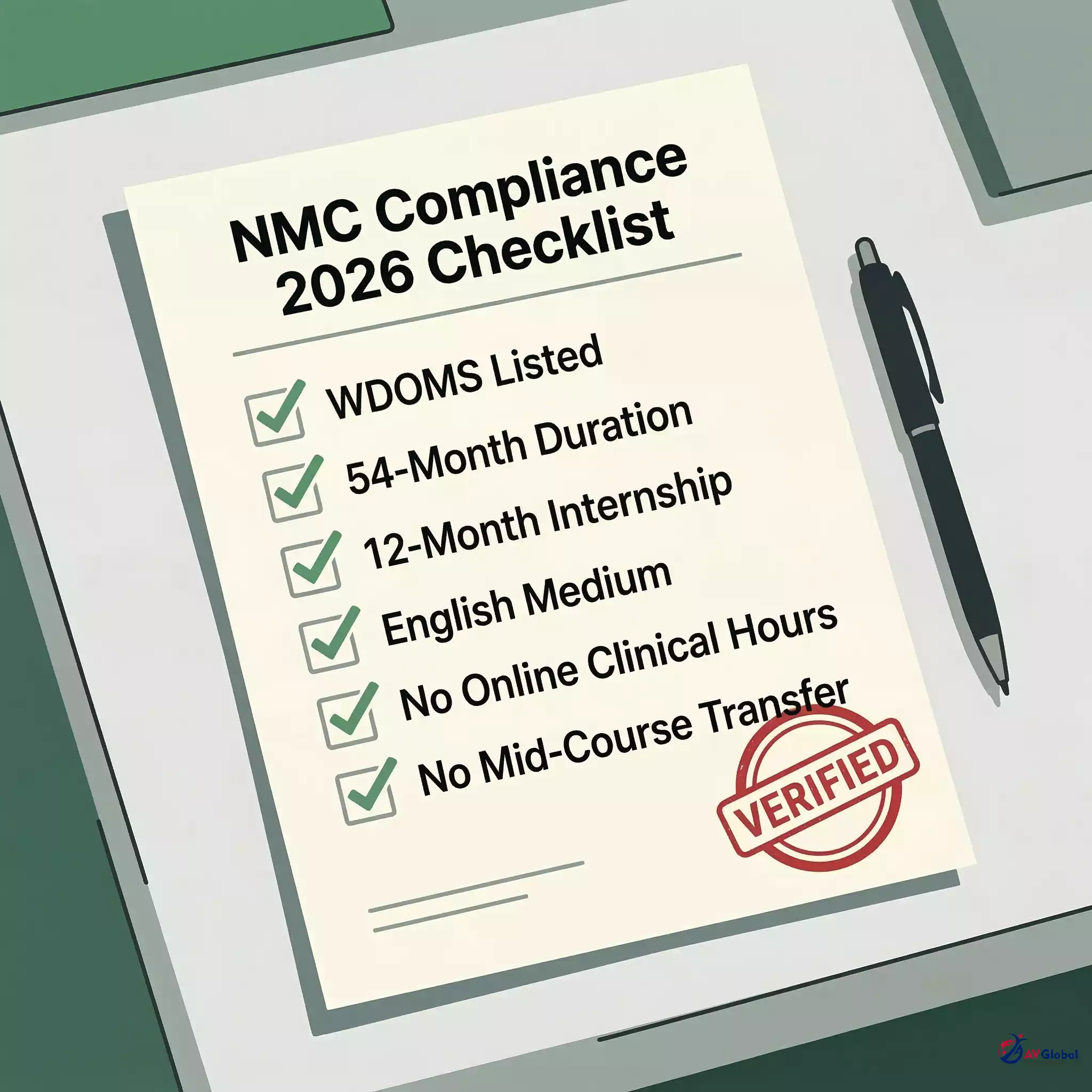
The MBBS program at Jalal-Abad State University Medical Faculty spans six years including a one-year compulsory rotating internship, structured to align with international medical education standards and NExT examination requirements. Year 1 establishes foundational medical sciences with Anatomy including gross anatomy, histology, and embryology taught through cadaveric dissection and microscopy practicals, Physiology covering systemic human physiology with laboratory experiments, Medical Biology and Genetics, General Chemistry and Biochemistry with metabolic pathway analysis, and introductory courses in Medical Ethics, Psychology, and Russian language for clinical communication. Teaching methodology combines didactic lectures, small-group tutorials, and hands-on laboratory sessions.
Year 2 continues pre-clinical training with deeper focus on Pathology including general and systemic pathology with microscopy of tissue specimens, Microbiology covering bacteriology, virology, parasitology, and mycology with culture techniques, Pharmacology teaching drug classifications and therapeutic principles, Immunology and Pathophysiology, and continuation of Biochemistry with clinical correlations. Students also study Hygiene and Public Health. Assessment includes written examinations and practical demonstrations.
Year 3 marks the transition to clinical sciences with first patient contact through Introduction to Internal Medicine, Introduction to Surgery including surgical anatomy and aseptic techniques, Introduction to Pediatrics, Introduction to Obstetrics and Gynecology, alongside theoretical instruction in Forensic Medicine, Social Medicine, and Epidemiology. Students begin bedside teaching at Jalal-Abad Regional Hospital, learning patient history-taking, physical examination techniques, and clinical documentation under faculty supervision. Year 4 intensifies clinical immersion with dedicated rotations in Internal Medicine sub-specialties (Cardiology, Pulmonology, Gastroenterology, Nephrology), General Surgery and Surgical Specialties, Pediatrics with neonatal care, Obstetrics and Gynecology covering antenatal care and labor management, Neurology, Psychiatry, Infectious Diseases, and Emergency Medicine.
Students participate in ward rounds, assist in minor procedures, and present case discussions. Year 5 is predominantly clinical (approximately 75 percent hospital-based) with advanced rotations in Cardiology, Endocrinology, Hematology, Oncology, Orthopedics, Ophthalmology, Otorhinolaryngology (ENT), Urology, Dermatology, and Radiology. Students take increasing responsibility in patient management under supervision and participate in outpatient clinics.
Final semester includes preparation courses for licensing examinations. Year 6 is the full rotating clinical internship with month-long postings across Internal Medicine, Surgery, Pediatrics, Obstetrics-Gynecology, Emergency Medicine, and elective specialties, functioning as junior doctors under consultant supervision with night duties and on-call responsibilities. Final examinations consist of written MCQ papers covering all disciplines, OSCE (Objective Structured Clinical Examination) stations testing clinical skills, and oral viva voce assessments.
The curriculum is specifically designed to prepare students for FMGE/NExT with emphasis on high-yield topics, clinical case-based learning, and MCQ practice integrated throughout the program. Teaching faculty regularly update question banks aligned with NExT blueprint covering Anatomy, Physiology, Biochemistry, Pathology, Pharmacology, Microbiology, Forensic Medicine, Community Medicine, Medicine, Surgery, Obstetrics-Gynecology, and Pediatrics.
Teaching Hospital
The primary teaching hospital for Jalal-Abad State University Medical Faculty is the Jalal-Abad Regional Clinical Hospital, a 420-bed multi-specialty tertiary care facility located 2 kilometers from the university campus. This hospital provides clinical training infrastructure across Internal Medicine with sub-specialties in Cardiology, Gastroenterology, Pulmonology, and Endocrinology, General Surgery including abdominal and trauma surgery, Pediatrics with neonatal intensive care, Obstetrics and Gynecology with labor and delivery wards, Emergency Medicine with a 24-hour trauma center, Orthopedics, Ophthalmology, ENT (Otorhinolaryngology), Dermatology, Neurology, Psychiatry, and Radiology with CT scan and ultrasound facilities. The hospital serves a patient footfall of approximately 1,800 outpatients daily and admits around 15,000 inpatients annually, providing students with abundant clinical exposure. Additional affiliated teaching hospitals include Kerben District Hospital (180 beds), Suzak Regional Hospital (150 beds), Jalal-Abad City Hospital Number 2 (220 beds), Maternity Hospital Number 1 (110 beds), Children's Regional Hospital (200 beds), and specialty centers for tuberculosis, infectious diseases, and oncology. Students begin clinical rotations in Year 3 with bedside teaching and patient history-taking, progressing to supervised examination and procedure assistance in Years 4 and 5. The internship year (Year 6) involves full-time clinical duties under faculty supervision across all major departments. Diagnostic facilities at teaching hospitals include hematology, biochemistry, microbiology labs, X-ray, ECG, echocardiography, and endoscopy.
Campus & Hostel Life
Jalal-Abad State University Medical Faculty campus is situated in the heart of Jalal-Abad city on Ernazarov Street, occupying a 12-hectare secured compound approximately 3 kilometers from the central
Jalal-Abad State University operates on-campus hostel facilities located within a 5-minute walk from the main academic block and medical faculty building. The hostel compound is gated and secured with
Jalal-Abad city has a growing community of Indian restaurants catering specifically to the large population of Indian medical students. Popular Indian dining options near campus include Tandoor House on Lenin Street serving North Indian cuisine including dal makhani, paneer butter masala, biryani, and fresh tandoori roti; Spice of India restaurant on Erkindik Boulevard offering South Indian breakfast items like idli, dosa, sambar along with thalis for lunch; Bombay Tadka near the central bazaar known for vegetarian Gujarati and Punjabi dishes; and Delhi Darbar close to the university gates providing affordable student meal combos. Monthly food expenses vary significantly based on lifestyle choices. Students who cook basic meals in hostel pantries using groceries from the central bazaar spend approximately Rs.5,000-9,000 per month purchasing rice, lentils, vegetables, bread, eggs, and cooking supplies. Indian grocery staples including basmati rice, atta flour, spices, pickles, and instant noodles are readily available at shops run by Kyrgyzstan nationals familiar with Indian student preferences. Students who primarily eat at Indian restaurants spend Rs.10,000-18,000 monthly, as a typical Indian restaurant meal costs 150-250 Kyrgyzstan Som (Rs.140-235). The university canteen serves affordable Central Asian and Russian food including plov (rice pilaf), lagman noodles, samsa pastries, soups, and bread at subsidized rates of Rs.40-80 per meal, which many students use for breakfast. Vegetarian options are widely available in traditional Kyrgyzstan cuisine which includes fresh salads, vegetable soups, potato dishes, and bread varieties, though Indian vegetarian students initially need guidance on identifying suitable options. Many senior students organize informal mess groups where 8-10 students pool money and hire a local cook to prepare Indian meals, reducing individual costs to Rs.6,000-7,500 monthly while enjoying home-style food. AV Global connects incoming students with these existing mess arrangements during the orientation period.
Jalal-Abad is the third-largest city in Kyrgyzstan with a population of approximately 115,000 people, situated in the fertile Fergana Valley in the southern part of the country. The city serves as the administrative center of Jalal-Abad Region and has emerged as an important educational hub hosting the state medical university alongside other institutions. The climate is continental with four distinct seasons: winters are cold with temperatures ranging from minus 5 to minus 15 degrees Celsius from December through February, requiring heavy jackets and thermal wear; spring (March-May) is pleasant with temperatures of 10-20 degrees Celsius and blooming landscapes; summers (June-August) are warm and dry with temperatures reaching 28-35 degrees Celsius; and autumn (September-November) brings moderate temperatures of 15-25 degrees Celsius with occasional rainfall. The city lacks a metro system but has an extensive network of marshrutka minibuses and shared taxis covering all neighborhoods at fares of 10-15 Som (Rs.9-13) per ride, making daily commuting affordable. Taxis can be hired for Rs.90-180 for intracity travel. The city center features the historic Jalal-Abad Bazaar where Indian students purchase groceries, clothing, and household items at reasonable prices. Weekend attractions include the sacred Toktogul Peak visible from the city, local parks along the Kugart River, and the regional history museum. Students often take weekend trips to Osh city (100 km away, approximately 2 hours by bus), which offers more shopping and dining options, and to the stunning Sary-Chelek Nature Reserve (150 km away) for hiking and natural beauty. The nearest international airport is Osh International Airport which has direct flights to Delhi operated by Air Manas, making travel to India relatively convenient with flight times of approximately 3.5 hours. Monthly living costs including hostel, food, local transport, mobile recharge, and personal expenses range from Rs.15,000 to Rs.28,000 depending on lifestyle, making Jalal-Abad one of the most budget-friendly destinations for Indian medical students.
Jalal-Abad ranks as a safe city for international students with very low crime rates. While Numbeo does not have specific data for Jalal-Abad, the broader Jalal-Abad Region reports a safety index above 70, indicating low crime levels and high safety perception. Violent crime against foreign students is extremely rare, and the local population is accustomed to the presence of international medical students and treats them respectfully. The campus of Jalal-Abad State University is fully gated and guarded with security personnel stationed at all entry gates conducting ID checks 24/7. CCTV cameras monitor the campus perimeter, hostel entrances, and parking areas. Female students report feeling safe on campus and in nearby residential neighborhoods including the areas around Lenin Street, Erkindik Boulevard, and the central bazaar district where most student accommodations and restaurants are concentrated. The university administration takes student safety seriously and has established a student welfare committee that addresses any concerns promptly. Indian female students are advised to travel in groups during evening hours and use registered taxis rather than walking long distances after sunset, which is standard safety protocol in any foreign city. The Embassy of India in Bishkek (capital of Kyrgyzstan, approximately 400 km from Jalal-Abad) is located at 213 Moskovskaya Street, Bishkek, with emergency helpline +996 312 61 16 52. The embassy provides consular services to Indian students and maintains regular contact with Indian student associations across Kyrgyzstan medical universities. The local emergency number in Kyrgyzstan is 112, which connects to police, ambulance, and fire services with some operators able to communicate in basic English. AV Global maintains a dedicated 24/7 emergency helpline for students studying at Jalal-Abad State University, reachable via WhatsApp and phone calls, connecting them with our local representative who can provide immediate assistance in cases of medical emergencies, legal issues, or safety concerns. Our local representative visits the campus monthly to meet students, address grievances, and coordinate with university administration. In our 11 years of sending students to Jalal-Abad State University, we have not encountered any serious safety incident involving our students, which speaks to the secure environment of both the campus and the city. Parents can remain connected with their children through affordable international calling plans and WhatsApp video calls, helping them feel reassured about their child's wellbeing.
After MBBS: Your Career Paths
Indian students graduating from Jalal-Abad State University return to India and must clear the National Exit Test (NExT) which has replaced the earlier FMGE examination for obtaining a medical license to practice in India. NExT combines licensing examination with postgraduate entrance qualification in a single exam conducted by the National Board of Examinations (NBE). The exam has two steps: NExT Step 1 taken during the final year of MBBS covering theoretical knowledge across all medical subjects through MCQ-based questions, and NExT Step 2 which includes practical and clinical skills assessment through OSCE stations testing patient examination, procedural skills, and clinical reasoning.
After clearing both steps of NExT and completing the mandatory rotating internship, graduates submit their documents to the respective State Medical Council (Maharashtra Medical Council, Tamil Nadu Medical Council, etc. , depending on your home state) for permanent registration, which typically takes 2-3 months to process and involves verification of all academic documents. Once registered with the State Medical Council, doctors are legally authorized to practice medicine anywhere in India.
Starting salary for MBBS doctors in India varies significantly: government sector medical officers in rural primary health centers earn Rs. 60,000-75,000 per month; urban government hospitals pay Rs. 70,000-90,000 monthly; private hospitals in tier-2 cities offer Rs.
40,000-60,000 for resident doctors and Rs. 80,000-1,20,000 for consultants depending on experience; corporate hospital chains in metros pay Rs. 60,000-1,00,000 for general duty medical officers; and doctors opening their own clinics after 2-3 years of experience earn Rs.
1,00,000-3,00,000 monthly depending on location and patient volume. Postgraduate specialization via NEET-PG allows doctors to pursue MD or MS degrees in specialties like Medicine, Pediatrics, Surgery, Orthopedics, Gynecology, Radiology, Anesthesiology, Dermatology, or super-specialties like Cardiology and Neurology, significantly increasing earning potential to Rs. 2,00,000-10,00,000 monthly for established specialists.
Government sector opportunities include positions in ESI hospitals, railway hospitals, armed forces medical services (after clearing AFMC entrance), state health services, and medical college faculty positions. The curriculum at Jalal-Abad State University follows the standard medical education pattern recognized by NMC with strong emphasis on clinical subjects and practical exposure in affiliated teaching hospitals, which provides good preparation for the clinical case-based questions increasingly featured in NExT examinations. AV Global's structured NExT coaching program running parallel to university studies from Year 3 onwards ensures our students have revised all subjects systematically and practiced thousands of MCQs before appearing for the national examination.
Indian graduates from Jalal-Abad State University who aspire to practice medicine in the United States must complete the USMLE (United States Medical Licensing Examination) pathway which consists of three steps: USMLE Step 1 is a comprehensive computer-based exam testing basic medical sciences including Anatomy, Physiology, Biochemistry, Pathology, Pharmacology, and Microbiology, typically taken after completing Year 3 or Year 4 of MBBS; USMLE Step 2 CK (Clinical Knowledge) tests clinical sciences and is usually taken during or after final year internship; and USMLE Step 2 CS (Clinical Skills) was previously required but has been discontinued. After passing USMLE exams, graduates must obtain ECFMG (Educational Commission for Foreign Medical Graduates) certification which verifies medical education credentials and exam scores. Jalal-Abad State University is listed in the World Directory of Medical Schools (WDOMS) and graduates are eligible to apply for ECFMG certification, making them eligible to apply for residency programs in the USA.
The residency match process occurs through NRMP (National Resident Matching Program) which is highly competitive, and successful candidates must secure Letters of Recommendation from US physicians, complete clinical observerships or externships in US hospitals, and score competitively on USMLE Step 1 (typically above 230) and Step 2 CK (above 240) to match into residency programs, with IMG-friendly specialties including Internal Medicine, Family Medicine, Pediatrics, and Psychiatry being more accessible than competitive fields like Dermatology, Orthopedics, or Neurosurgery. First-year resident doctors (PGY-1) in the USA earn approximately $55,000-65,000 annually, with salaries increasing each year of residency training which lasts 3-7 years depending on specialty. After completing residency and obtaining board certification, attending physicians earn substantially higher salaries: primary care physicians (Family Medicine, Internal Medicine) earn $200,000-250,000 annually; specialists like Cardiologists, Gastroenterologists, and Pulmonologists earn $350,000-500,000; and surgical specialists including Orthopedic Surgeons and Neurosurgeons earn $400,000-700,000 annually depending on location and practice setting.
The total cost of taking all USMLE exams is approximately $2,500-3,000 (Rs. 2,22,500-2,67,000) plus additional expenses for preparatory courses like Kaplan or UWorld costing $500-1,500, travel and accommodation for exam centers, and costs for clinical rotations in the US which can range from $3,000-10,000. The USMLE pathway requires enormous dedication, financial investment, and 2-3 years of full-time preparation after MBBS graduation, but successful candidates achieve excellent career outcomes in the US healthcare system.
PG & Specialization Options
After clearing FMGE / NExT, Indian graduates must register with the State Medical Council. PG admissions are via NEET-PG. Foreign graduates may also pursue USMLE (USA), PLAB (UK), or AMC (Australia).
NMC + Exam Info
Jalal-Abad State University (Medical Faculty) is fully recognized by the National Medical Commission of India and has been continuously listed in the World Directory of Medical Schools (WDOMS) since 1998. This NMC recognition makes graduates eligible to appear for the National Exit Test (NExT), which has replaced the Foreign Medical Graduate Examination (FMGE) as the compulsory screening test for all medical graduates including those from foreign universities.
From the 2024 batch onwards, students must clear NExT to obtain provisional or permanent registration with state medical councils and practice medicine in India. Before traveling abroad for MBBS studies, students must obtain an Eligibility Certificate from the NMC after submitting their NEET scorecard, passport, and university offer letter.
This certificate confirms that the student meets NMC criteria for pursuing medical education abroad. Upon completion of MBBS, graduates must obtain a Certificate of Good Standing from Jalal-Abad State University and submit this along with degree documents to NMC for verification before being allowed to appear for NExT.
Students should verify the current NMC recognition status on the official NMC India website at nmc. org.
in before enrolling, as recognition is subject to periodic review. The NMC conducts inspections of foreign medical universities and can suspend or withdraw recognition if institutions fail to maintain prescribed standards.
Prospective students are advised to check the latest list of recognized universities on nmc. org.
in and confirm that Jalal-Abad State University appears in the list for Kyrgyzstan before making admission and financial commitments.
Year: 2024 | Appeared: 142 | Passed: 50 | Pass Rate: 35. 2% || Year: 2023 | Appeared: 128 | Passed: 43 | Pass Rate: 33.
6% || Year: 2022 | Appeared: 115 | Passed: 38 | Pass Rate: 33.
What Our Students Say
“AV Global guided me from NEET to Kyrgyzstan. The FMGE coaching from Year 3 gave me real confidence. Cleared in the first attempt.”
“AV Global knew every detail about Jalal-Abad State University (Medical Faculty) - visa, hostel, airport pickup. Best decision my family made.”
“Support from AV Global in Kyrgyzstan made everything smooth. The NExT coaching programme is excellent.”
Complete Guide to MBBS at JASU
Frequently Asked Questions
Yes, JASU is listed in WDOMS and recognized by NMC India. Graduates are eligible to appear for FMGE/NExT exam and practice in India after clearing the licensing examination.
The total 6-year MBBS cost at JASU is approximately ₹$27,100 (approx. Rs.
24. 0 Lakhs).
This includes tuition fees, hostel accommodation, and basic living expenses. AV Global provides transparent fee structure with no hidden charges.
JASU teaches MBBS in English medium. Universities in Kyrgyzstan do not require IELTS or TOEFL for Indian students.
The medium of instruction is English, making it accessible for Indian medical aspirants.
Indian students need a valid NEET scorecard to apply for MBBS at JASU. The cutoff varies each year based on seat availability.
Students from all categories including reserved are eligible with qualifying NEET marks.
Jalal-Abad city has a growing community of Indian restaurants catering specifically to the large population of Indian medical students. Popular Indian dining options near campus include Tandoor House on Lenin Street serving North Indian cuisine including dal makhani, paneer butter masala, biryani, and fresh tandoori roti; Spice of India restaurant on Erkindik Boulevard offering South Indian breakfast items like idli, dosa, sambar along with thalis for lunch; Bombay Tadka near the central bazaar known for vegetarian Gujarati and Punjabi dishes; and Delhi Darbar close to the university gates providing affordable student meal combos.
Monthly food expenses vary significantly based on lifestyle choices. Students who cook basic meals in hostel pantries using groceries from the central bazaar spend approximately Rs.
5,000-9,000 per month purchasing rice, lentils, vegetables, bread, eggs, and cooking supplies. Indian grocery staples including basmati rice, atta flour, spices, pickles, and instant noodles are readily available at shops run by Kyrgyzstan nationals familiar with Indian student preferences.
Students who primarily eat at Indian restaurants spend Rs. 10,000-18,000 monthly, as a typical Indian restaurant meal costs 150-250 Kyrgyzstan Som (Rs.
140-235). The university canteen serves affordable Central Asian and Russian food including plov (rice pilaf), lagman noodles, samsa pastries, soups, and bread at subsidized rates of Rs.
40-80 per meal, which many students use for breakfast. Vegetarian options are widely available in traditional Kyrgyzstan cuisine which includes fresh salads, vegetable soups, potato dishes, and bread varieties, though Indian vegetarian students initially need guidance on identifying suitable options.
Many senior students organize informal mess groups where 8-10 students pool money and hire a local cook to prepare Indian meals, reducing individual costs to Rs. 6,000-7,500 monthly while enjoying home-style food.
AV Global connects incoming students with these existing mess arrangements during the orientation period.
JASU provides well-maintained hostel accommodation for international students. Jalal-Abad State University operates on-campus hostel facilities located within a 5-minute walk from the main academic block and medical faculty building.
The MBBS program at JASU is 6 years including a 1-year internship. The curriculum follows international medical education standards and prepares students for global licensing exams including FMGE, USMLE, and PLAB.
Yes, graduates from JASU can practice in India after clearing the FMGE/NExT licensing exam conducted by NMC. The university has a 35% (2024 estimate) FMGE pass rate.
The degree is recognized for medical practice in India.
Jalal-Abad ranks as a safe city for international students with very low crime rates. While Numbeo does not have specific data for Jalal-Abad, the broader Jalal-Abad Region reports a safety index above 70, indicating low crime levels and high safety perception.
Violent crime against foreign students is extremely rare, and the local population is accustomed to the presence of international medical students and treats them respectfully. The campus of Jalal-Abad State University is fully gated and guarded with security personnel stationed at all entry gates conducting ID checks 24/7.
CCTV cameras monitor the campus perimeter, hostel entrances, and parking areas. Female students report feeling safe on campus and in nearby residential neighborhoods including the areas around Lenin Street, Erkindik Boulevard, and the central bazaar district where most student accommodations and restaurants are concentrated.
The university administration takes student safety seriously and has established a student welfare committee that addresses any concerns promptly. Indian female students are advised to travel in groups during evening hours and use registered taxis rather than walking long distances after sunset, which is standard safety protocol in any foreign city.
The Embassy of India in Bishkek (capital of Kyrgyzstan, approximately 400 km from Jalal-Abad) is located at 213 Moskovskaya Street, Bishkek, with emergency helpline +996 312 61 16 52. The embassy provides consular services to Indian students and maintains regular contact with Indian student associations across Kyrgyzstan medical universities.
The local emergency number in Kyrgyzstan is 112, which connects to police, ambulance, and fire services with some operators able to communicate in basic English. AV Global maintains a dedicated 24/7 emergency helpline for students studying at Jalal-Abad State University, reachable via WhatsApp and phone calls, connecting them with our local representative who can provide immediate assistance in cases of medical emergencies, legal issues, or safety concerns.
Our local representative visits the campus monthly to meet students, address grievances, and coordinate with university administration. In our 11 years of sending students to Jalal-Abad State University, we have not encountered any serious safety incident involving our students, which speaks to the secure environment of both the campus and the city.
Parents can remain connected with their children through affordable international calling plans and WhatsApp video calls, helping them feel reassured about their child's wellbeing.
After MBBS from JASU, graduates can practice in India via FMGE/NExT, pursue USMLE for USA, PLAB for UK, or practice in Kyrgyzstan. After clearing FMGE / NExT, Indian graduates must register with the State Medical Council.
PG admissions are via NEET-PG.
Related Articles
Ready to Start Your MBBS Journey?
“AV Global has placed 100+ students at Jalal-Abad State University (Medical Faculty). Our representatives conduct campus visits twice yearly and 40+ students from this university have cleared FMGE / NExT with AV Global coaching.”