MBBS at David Tvildiani Medical University (DTMU)
David Tvildiani Medical University is a private NMC-approved medical institution in Tbilisi, Georgia, founded in 1989. DTMU offers a 6-year English-medium MBBS (MD) program aligned with USMLE standards. With 36+ affiliated teaching hospitals and an a...
MBBS Fees at David Tvildiani Medical University for Indian Students 2026-2027
Rs.42-45 Lakhs (all-inclusive)
Total MBBS Cost (6 Years)
Eligibility & Admission Process
Admission Process
Step 1: Initial Counselling (Day 1-3) - Contact AV Global via website, WhatsApp (wa. me/918530490888), or offices in Nagpur, Mumbai, Pune. We assess NEET score, academic profile, budget, and career goals.
Step 2: University Selection and Application (Day 3-7) - We confirm DTMU as the right fit and submit application with documents. Step 3: Invitation Letter (Week 2-3) - DTMU issues official invitation letter in 7-14 working days. Step 4: NMC Eligibility Certificate (Parallel) - We assist with NMC Eligibility Certificate application, now mandatory before enrollment.
Step 5: Visa Processing (Week 3-5) - AV Global prepares all visa documents and handles follow-ups. Processing takes 2-3 weeks. Step 6: Pre-Departure Briefing (Week before departure) - Comprehensive session covering packing, currency, airport procedures, hostel rules, emergency contacts.
Parents included. Step 7: Airport Reception (Arrival Day) - Local coordinator receives your child, transfers to hostel, helps with SIM card, bank account, registration. Complete timeline: 4-6 weeks from counselling to arrival.
Documents Required for Admission
About DTMU
History & Legacy
DTMU was established in 1989 by Academician David Tvildiani as the first private medical institution in Georgia. Originally operating as AIETI Medical School, it was upgraded to David Tvildiani Medical University with full national authorization in 2011. In 2016, DTMU opened a second campus in Rustavi (30 km from Tbilisi) for additional capacity.
In 2019, DTMU launched an innovative MD ePBL (Problem-Based Learning) program that earned accreditation from the European Quality Assurance Register for Higher Education. Today, DTMU has approximately 884 students with 271 staff across 7 departments covering 39 disciplines. The university participates in the Erasmus+ exchange program with 12+ international partner universities.
Accreditation & Recognition
David Tvildiani Medical University holds complete NMC (National Medical Commission) approval - the single most important factor for Indian students. DTMU is listed in WDOMS (World Directory of Medical Schools) since 1995, eligible with ECFMG for USMLE pathway, recognized by WHO and WFME, a member of AMSE, AMEE, ORPHEUS, EURAS, and FAIMER listed. The Georgian Ministry of Education and Science has authorized DTMU, and the Ministry of Health has accredited it.
The MD ePBL program received EQAR accreditation in 2019. Important: as per NMC regulations from 2023, all Indian students must obtain an Eligibility Certificate from NMC before enrolling. Verify current status at nmc.
org. in before enrolling.
Faculty & Teaching
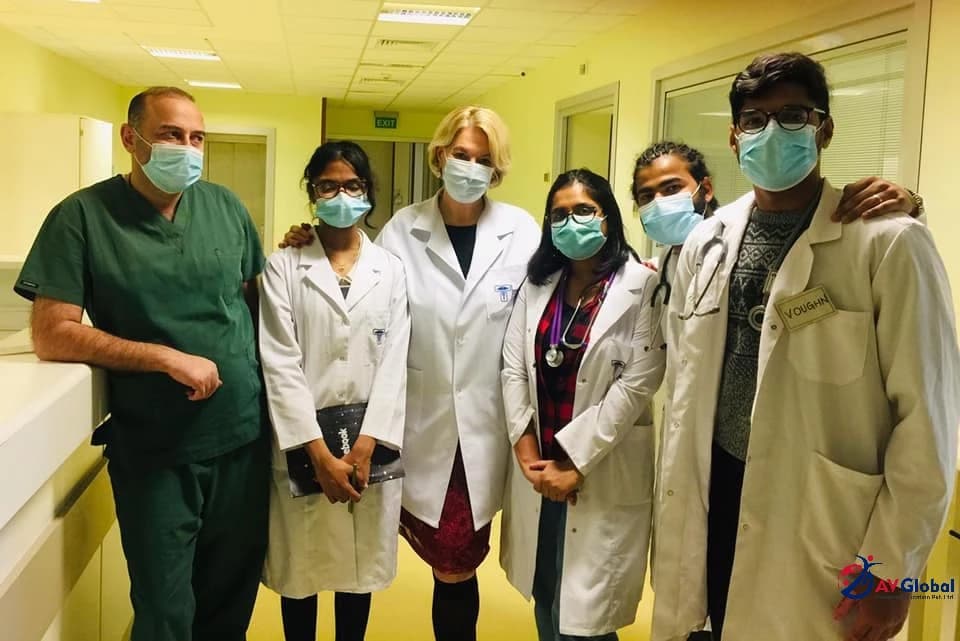
DTMU has 271 academic, administrative, and research support staff across 7 departments. The university maintains a low student-to-teacher ratio, allowing personalized attention. Clinical faculty members are drawn from DTMU's 36+ affiliated hospitals and include department heads and senior specialists in Internal Medicine, Surgery, Cardiology, Neurology, and Pediatrics.
The Anatomy Department is particularly well-regarded, with dedicated professors supervising cadaveric dissection throughout the first two years. The Department of Medical English includes native English speakers who ensure students develop professional medical communication skills essential for USMLE and NExT. Research-active faculty mentor students in cardiovascular medicine, infectious diseases, and public health.
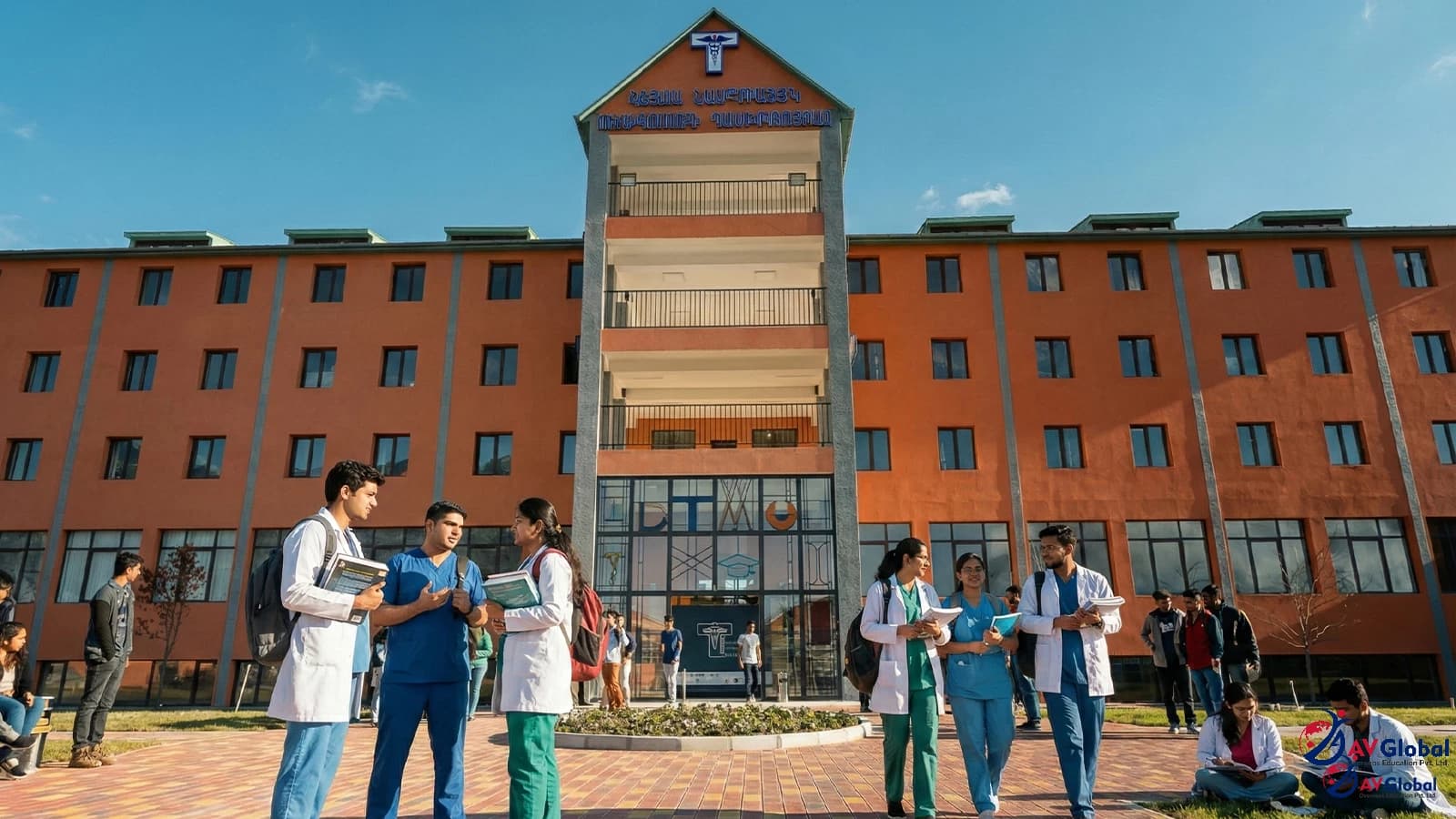
Campus & Infrastructure
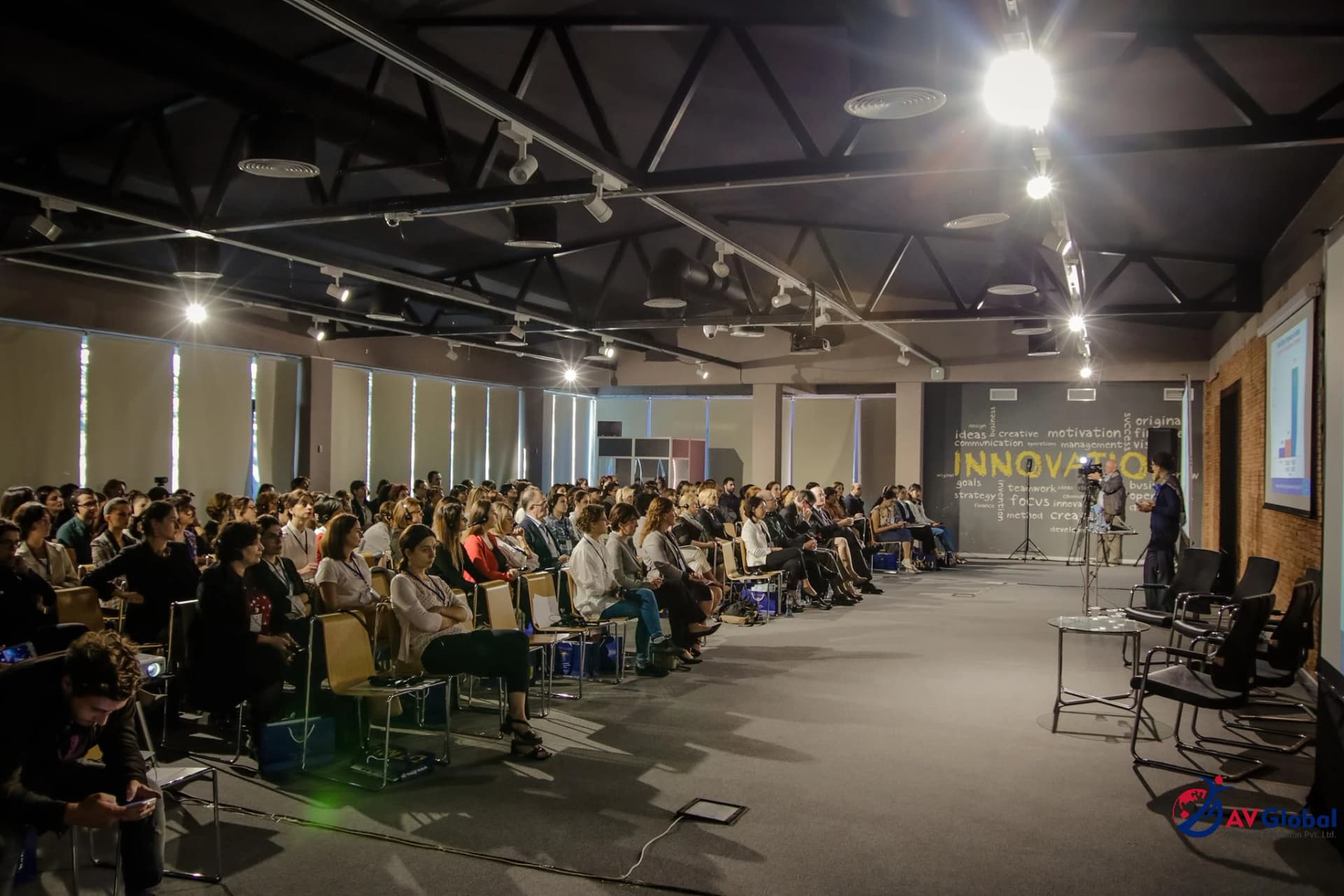
The main DTMU campus is in the Saburtalo district of Tbilisi at 2/6 Ljubljana Street, approximately 6 km from city center. It is accessible by Tbilisi Metro (Delisi station), multiple bus routes, and ride-hailing apps like Bolt. Key facilities include modern lecture halls and auditorium, specialized labs for Anatomy (cadaveric dissection), Histology, Biochemistry, and Pharmacology, simulation labs for clinical skills, the Daphne Hare Medical Library with access to Cambridge Journals Online, SAGE Premier, and OpenEdition Journals, computer labs, a cafeteria serving international cuisine, and sports facilities.
The campus is within a gated compound with 24/7 CCTV. AV Global's hostel is within this same compound. DTMU also operates a Rustavi campus (30 km from Tbilisi) opened in 2016.
Distance from Tbilisi International Airport: approximately 20 km (30-40 minutes).
What You'll Study (Year-by-Year)
The MBBS (MD) program at David Tvildiani Medical University is a 6-year program divided into three stages. The curriculum is aligned with USMLE standards - students study from Kaplan books. Stage 1: Basic Medical Sciences (Years 1-2.
5) covers Human Anatomy with cadaveric dissection from Year 1, Histology, Biochemistry, Physiology, Microbiology, Pharmacology, and Pathology. Medical English is taught by native speakers. Stage 2: Clinical Sciences (Years 2.
5-5) covers Internal Medicine, Surgery, Pediatrics, Obstetrics and Gynecology, Neurology, Psychiatry, Ophthalmology, ENT, Dermatology, and Forensic Medicine. Clinical rotations begin at 36+ affiliated hospitals. Stage 3: Clinical Internship (Year 6) is a compulsory rotating internship across Internal Medicine, Surgery, Pediatrics, Obstetrics, Emergency Medicine, and Family Medicine.
Assessments include MCQ-based exams (USMLE/FMGE-aligned), OSCE, oral examinations, and continuous assessment. The semester system follows the Bologna Process ECTS framework requiring 360 credits. Students can attempt USMLE Step 1 during Year 3 and Step 2 during Year 5.
DTMU has a dedicated post-medical preparation department with MCQ platforms and Kaplan materials.
Teaching Hospital
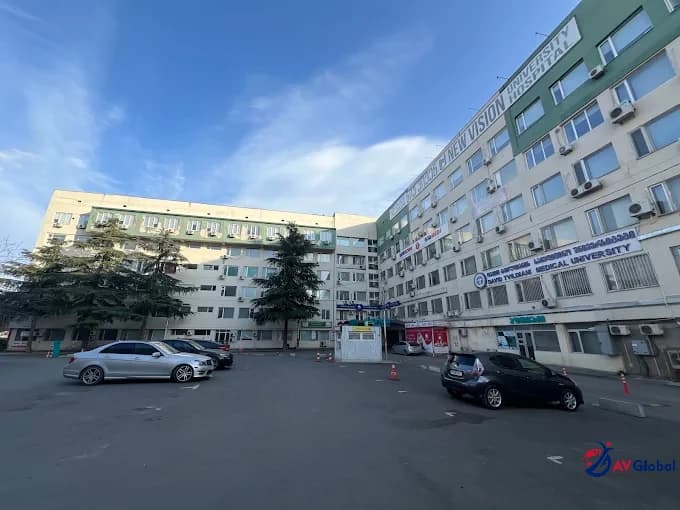
DTMU has formal affiliation agreements with 36+ hospitals across Tbilisi. Primary teaching hospital: Tbilisi Central Hospital (420 beds, 4 km from campus) covering Internal Medicine, Surgery, Pediatrics, Emergency Medicine. Other major affiliates include Ghudushauri National Medical Center (580 beds, Surgery and Emergency), S. Khechinashvili University Hospital (Infectious Diseases), V. Iverieli Tbilisi Maternity Hospital (Obstetrics and Gynecology), K. Eristavi National Center of Experimental and Clinical Surgery, and Institute of Neurology and Neuropsychology. Clinical exposure begins in Year 3 and includes daily ward rounds, patient history-taking, assisting in procedures, emergency department rotations, and supervised diagnostic reasoning. The Year 6 internship involves full-time hospital rotations.
Campus & Hostel Life
David Tvildiani Medical University campus is strategically located in the Saburtalo district of Tbilisi at 2/6 Evgeni Mikeladze Street, one of the most developed residential and educational neighborho
AV Global owns and operates its own student hostel right on the DTMU campus, inside the gated compound. This is not a rented apartment or third-party arrangement. We built it, maintain it, and are res
Indian food is the number one concern for parents, and at DTMU it is comprehensively addressed. The hostel has a fully equipped Indian-style kitchen with gas stoves, pressure cookers, and a complete spice pantry. Breakfast, lunch, and dinner are included in hostel fees at no additional charge. Students can also cook their own meals. Shared cooking rotations are organized, and students from different Indian states cook together. Beyond the hostel, Tbilisi has Indian restaurants including Taste of India and Namaste. Indian grocery stores stock dal, rice, atta, spices, and snacks. Monthly extra food spending: Rs.2,500-5,000 beyond hostel meals.
Tbilisi is Georgia's capital with a population of approximately 1.5 million, sitting on the banks of the Kura River with UNESCO World Heritage designation. The Saburtalo district where DTMU is located is well-connected. Tbilisi Metro (2 lines) costs approximately 1 GEL (Rs.30-35) per ride. Bolt ride-hailing is affordable at 5-10 GEL (Rs.150-300) across the city. Nearby attractions: Old Tbilisi and Narikala Fortress, sulfur baths (Abanotubani), Mtskheta (ancient capital, 30 minutes), Kazbegi mountains (3 hours), Black Sea coast Batumi (5 hours). Flights to India: Turkish Airlines, FlyDubai, Air Arabia operate regular routes. Flight time 5-7 hours with one stop. Round-trip tickets Rs.20,000-40,000. Monthly living cost beyond hostel: Rs.10,000-20,000.
Georgia ranks among the safest countries in Eastern Europe. Tbilisi has a low crime rate compared to most Indian metropolitan cities. Walking alone at night in central areas is generally safe. For Indian female students, Tbilisi is considered very safe. Georgian people are warm, hospitable, and accustomed to Indian students. AV Global's local coordinator is available 24/7. Climate: Spring (March-May) 10-22C pleasant. Summer (June-August) 25-35C warm and dry. Autumn (September-November) 8-20C beautiful. Winter (December-February) -5 to 5C, occasional snow. Central heating is standard. Indian Embassy in Georgia is in Tbilisi - students should register upon arrival, AV Global assists.
After MBBS: Your Career Paths
After completing 6 years at DTMU, graduates must clear the NExT examination to register with a State Medical Council. Starting salaries range from Rs. 40,000-80,000/month in private clinics.
Government hospitals offer Rs. 50,000-1,00,000/month. PG options (MD/MS) are available through NEET-PG.
AV Global provides NExT coaching and career counselling as part of ongoing support even after graduation.
This is where DTMU truly shines. The USMLE-aligned curriculum means students already study from Kaplan materials. DTMU students can attempt USMLE Step 1 during Year 3 and Step 2 CK during Year 5.
Graduates who clear USMLE Steps 1 and 2 can apply for residency programs through the ERAS Match system. DTMU alumni are currently working in hospitals across the USA, UK, Canada, and Germany. Residency salary: $55,000-70,000/year, attending physician: $200,000-400,000+.
DTMU graduates can appear for PLAB (Professional and Linguistic Assessments Board) to practice in the United Kingdom. The ECFMG eligibility and WDOMS listing make this pathway available. Graduates can also attempt AMC (Australian Medical Council) examination for Australia.
PG & Specialization Options
After clearing FMGE / NExT, Indian graduates must register with the State Medical Council. PG admissions are via NEET-PG. Foreign graduates may also pursue USMLE (USA), PLAB (UK), or AMC (Australia).
NMC + Exam Info
DTMU had a FMGE passing percentage of 48. 50% in 2024 - one of the strongest results among all private medical universities in Georgia.
For context, the overall FMGE pass rate for all Georgian graduates in 2024 was approximately 31. 1%.
In the historical data from 2015-2018 (smaller batches), 12 out of 21 graduates cleared FMGE giving a 57. 14% pass rate.
We want to be transparent: a 48. 50% pass rate means roughly half of DTMU graduates still need additional preparation.
Three main reasons: some students do not begin FMGE preparation early enough, clinical training uses Georgian language for patient interactions creating a gap for Indian scenarios, and student discipline varies. The NExT (National Exit Test) is replacing FMGE as the single licensing examination.
NExT Step 1 is computer-based theory, Step 2 is practical OSCE-style.
Year: 2015-2018 (cumulative) | Appeared: 21 | Passed: 12 | Rate: 57. 14% | Year: 2024 | Appeared: NBE data | Passed: ~48.
50% pass rate | Rate: 48.
AV Global NExT Prep
Our NExT coaching program begins from Year 3, not after graduation. We provide Indian faculty who understand both the DTMU curriculum and the NExT examination pattern.
Students take mock tests every quarter, receive subject-wise performance reports, and attend revision workshops during semester breaks. 58+ DTMU students have cleared FMGE/NExT with AV Global's coaching support.
A word of honest advice from our senior counsellors: the students who clear FMGE/NExT on their first attempt share three common habits - they start preparation early from Year 3, they use a dual-track approach studying both DTMU curriculum and FMGE-specific topics, and they consistently practice MCQs. We assign dedicated mentors, conduct bi-monthly mock tests, and track every student's weak subjects with detailed analytics.
What Our Students Say
“I came to DTMU because of the low fees, but I stayed because of the faculty. The anatomy professors are exceptional. They know every student by name.”
“Safety was my family's biggest concern. My father spoke to AV Global's hostel warden on WhatsApp before we even applied. After seeing the gated campus and CCTV, he was convinced.”
“I cleared FMGE on my first attempt. The NExT coaching that AV Global started from Year 3 made the difference. My batchmates who did not join the coaching program struggled.”
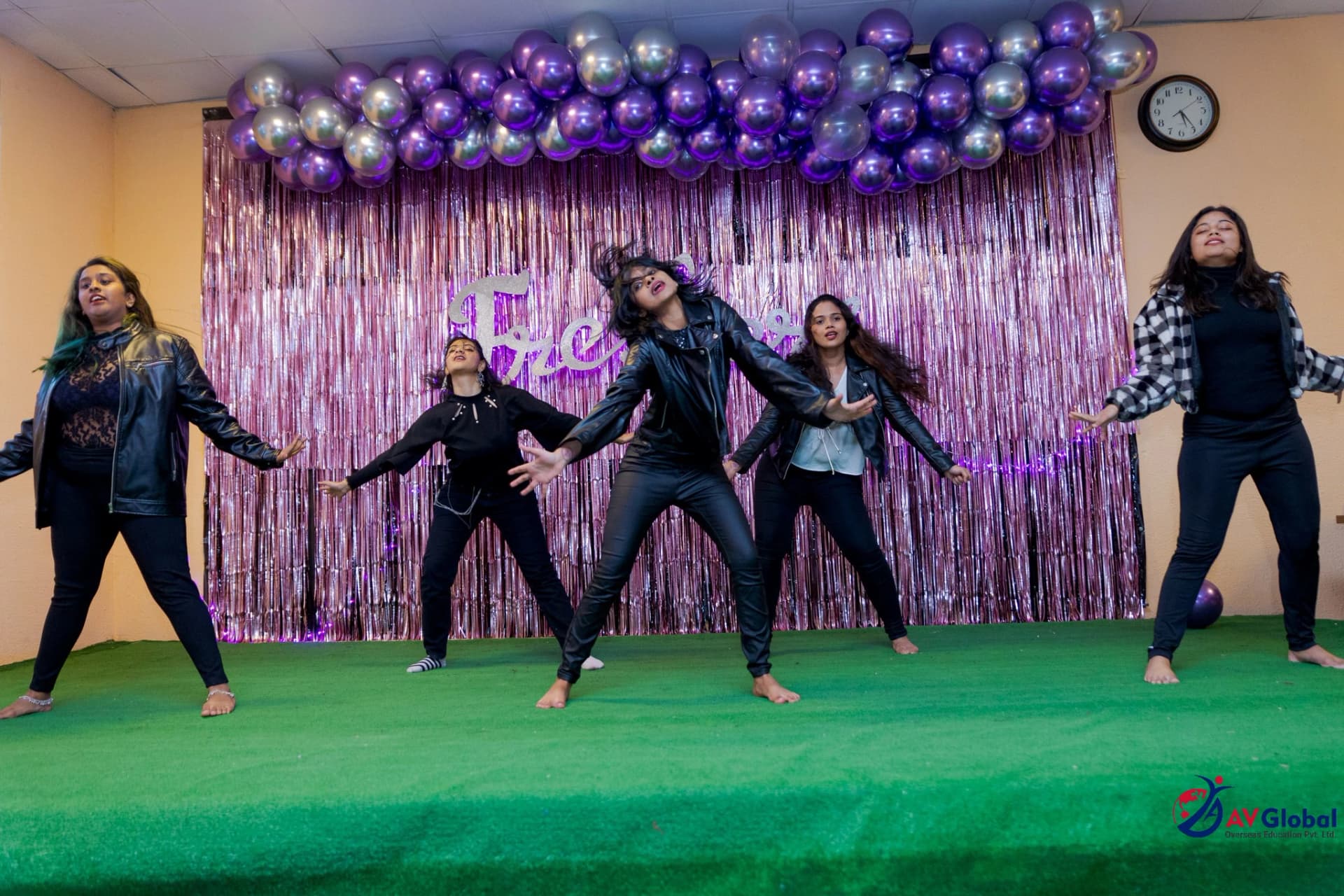
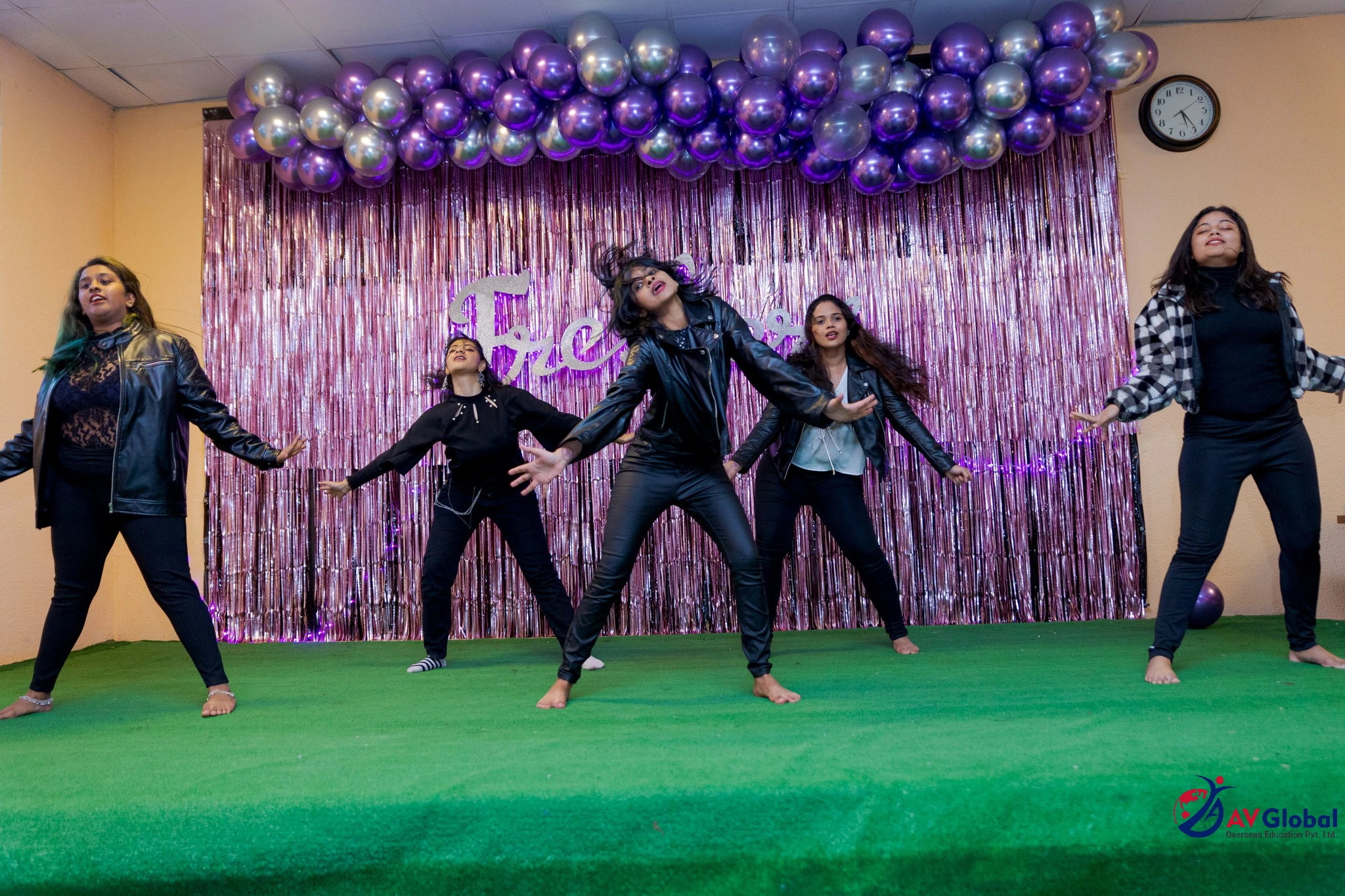
“The Diwali celebration at the hostel was something I will never forget. 40 Indian students, home-cooked mithai, rangoli in the common room. AV Global organized everything.”
“Coming from a small town in UP, I was nervous about living abroad. The senior students AV Global connected me with before departure answered every question. By the second week, I felt completely at home.”
“The USMLE-focused curriculum at DTMU gave me an edge that students at other Georgian universities did not have. I cleared USMLE Step 1 in my 4th year. AV Global's hostel made Tbilisi feel like home.”
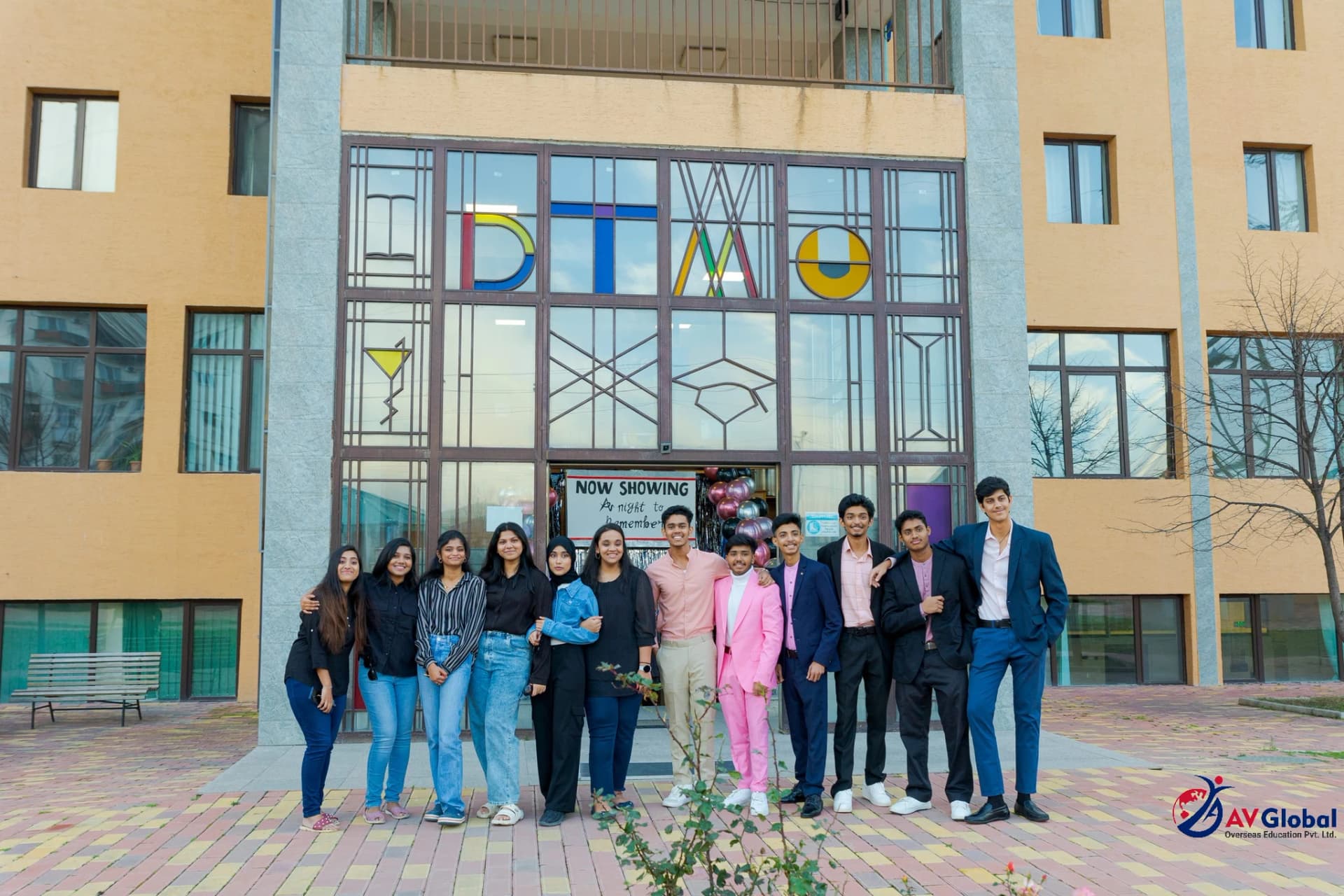
Campus Gallery


Complete Guide to MBBS at DTMU
David Tvildiani Medical University vs Georgian National University SEU vs New Vision University - Which One Suits Your Child?
| Feature | DTMU | Georgian National University SEU | New Vision University |
|---|---|---|---|
| Annual Tuition | $6,000 | $5,500 | $6,500 |
| 6-Year Total (INR) | Rs.42-45 Lakhs | Rs.40-48 Lakhs | Rs.45-52 Lakhs |
| FMGE Pass Rate (2024) | 48.50% | 60.39% | 35-52% |
| Curriculum Focus | USMLE-aligned | European standard | European standard |
| Hostel Quality | AV Global on-campus | External hostels | External hostels |
| ECFMG Eligible | Yes | Check status | Check status |
| Affiliated Hospitals | 36+ | 10+ | 10+ |
Counsellor Analysis: Georgian National University SEU had a stronger FMGE pass rate of 60.39% in 2024 and is a solid choice for students whose primary goal is returning to India. DTMU suits students thinking beyond India - the USMLE-aligned curriculum gives a genuine pathway to the USA, UK, and Europe. New Vision University is a good mid-range option with modern facilities.
Why Indian Students Choose MBBS in Georgia
Georgia has quietly become one of the smartest destinations for Indian families considering MBBS abroad. The most obvious reason is affordability - a complete MBBS costs between Rs.35-50 Lakhs, significantly less than most Indian private medical colleges. Every major Georgian university including DTMU is NMC-approved and WDOMS-listed, making the degree fully valid in India.
The entire program is taught in English from day one. Georgian is only needed for patient interactions during clinical rotations in later years. Safety is excellent - Georgia ranks among the safest countries in Eastern Europe. Tbilisi has a low crime rate, and there are Indian restaurants, grocery stores, and an active student community.
Clinical exposure is genuinely hands-on.
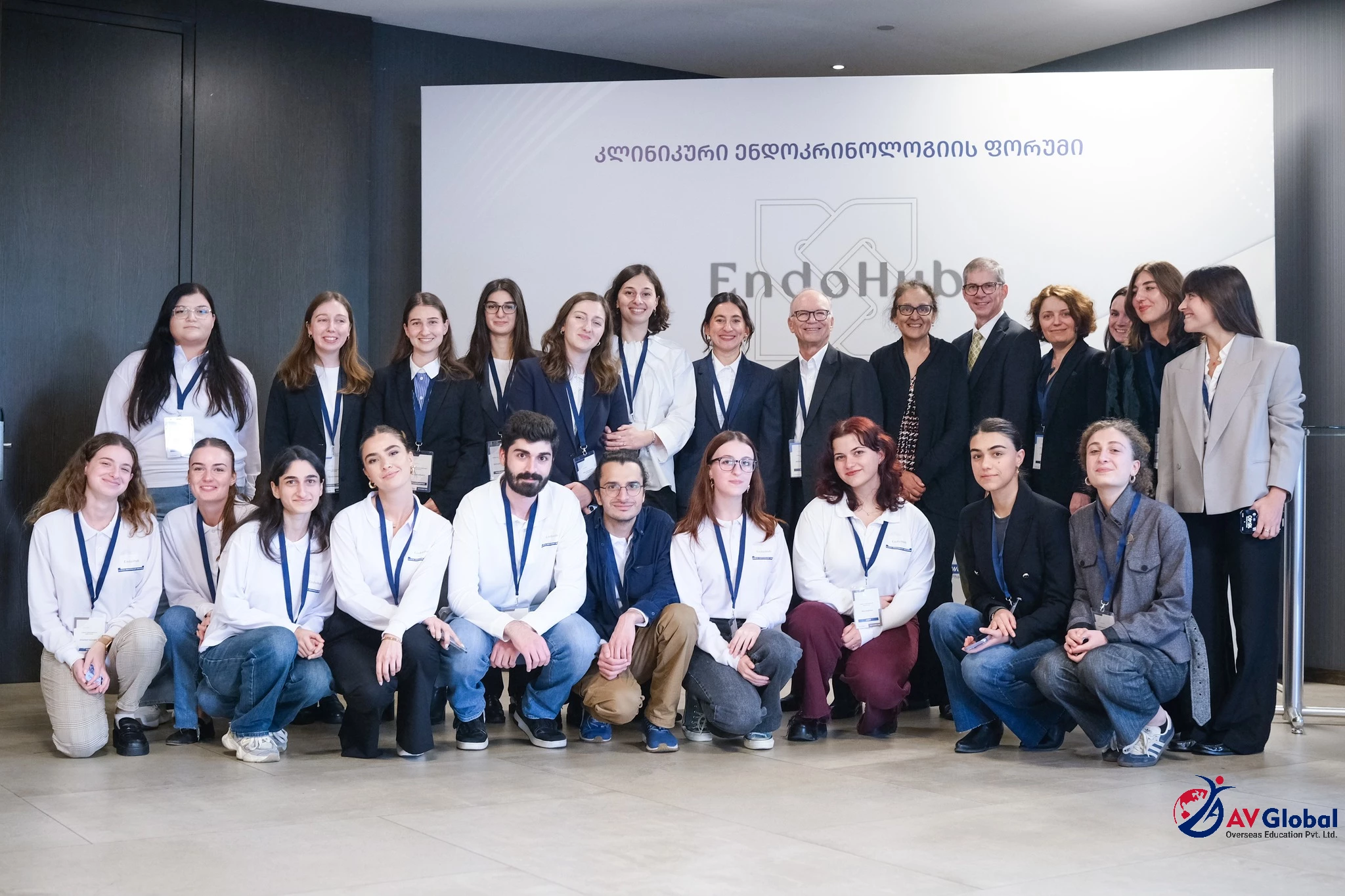
From Year 3, students at DTMU rotate through 36+ affiliated hospitals, participating in ward rounds and assisting in procedures. For a complete comparison of all Georgian universities, see our MBBS in Georgia guide.
Total Cost of MBBS at David Tvildiani Medical University - Complete 6-Year Budget for Indian Families
Beyond tuition and hostel, here is what your family will actually spend. One-time Year 1 costs: registration fee $300-500, visa $100-150, flights Rs.20,000-35,000, apostille Rs.5,000-8,000, settling-in essentials Rs.15,000-20,000.
Ongoing monthly living expenses: extra food/eating out $50-100 (Rs.4,450-8,900), transport $30-50 (Rs.2,670-4,450), mobile $10-15 (Rs.890-1,335), entertainment $30-50 (Rs.2,670-4,450). Total monthly: $120-215 (Rs.10,680-19,135). Over 10 months/year, this adds Rs.1.07-1.91 Lakhs annually.
Total realistic 6-year budget: Rs.42-50 Lakhs depending on lifestyle. For comparison, an Indian private medical college management quota seat costs Rs.50 Lakhs to Rs.1.5 Crores. Most major Indian banks recognize DTMU for education loans. AV Global provides loan documentation support at no extra charge.
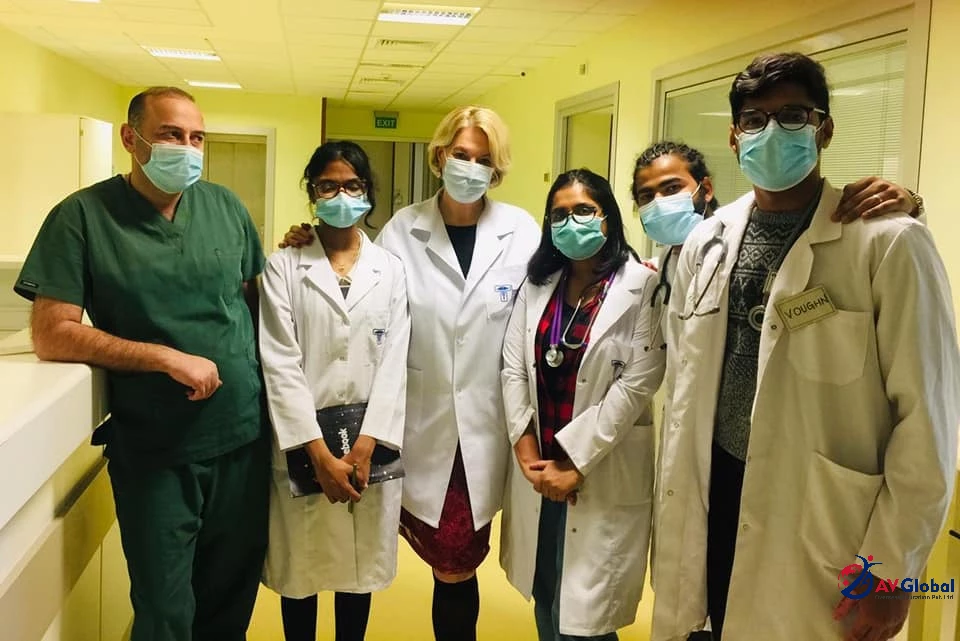
Career After MBBS from David Tvildiani Medical University - India and Global Options
India: Clear NExT to register with State Medical Council. Starting salaries Rs.40,000-80,000/month. PG options via NEET-PG. USA (DTMU's Strength): USMLE-aligned curriculum means students are already prepared. Attempt USMLE Step 1 during Year 3, Step 2 during Year 5. Residency salary $55,000-70,000/year, attending physician $200,000-400,000+. UK: PLAB pathway available via ECFMG eligibility. Australia: AMC examination available.
Frequently Asked Questions
Yes, David Tvildiani Medical University is fully approved by the National Medical Commission (NMC) of India. It has been listed in the World Directory of Medical Schools (WDOMS) since 1995.
Graduates are eligible to appear for the NExT examination. We always recommend verifying current approval status at nmc.
org. in before enrolling.
As per NMC rules from 2023 onwards, students must obtain an Eligibility Certificate from NMC before taking admission.
The annual tuition at DTMU is $6,000 (approximately Rs. 5,34,000 at 1 USD = Rs.
89). The total 6-year cost including tuition, hostel with Indian meals, insurance, and living expenses comes to approximately Rs.
42-45 Lakhs. Hostel fees range from $3,000-3,500 per year depending on room type.
AV Global provides a detailed year-by-year budget sheet before enrollment.
Yes, NEET qualification is mandatory for Indian students who want to practice medicine in India. You need a valid NEET scorecard for the NMC Eligibility Certificate.
No university entrance exam is needed at DTMU. IELTS and TOEFL are not required.
English proficiency is assessed through personal interview. Please ignore any claims about MBBS without NEET.
DTMU had a FMGE passing percentage of 48. 50% in 2024, making it one of the top-performing private medical universities in Georgia.
Historically, the rate was 57. 14% during 2015-2018.
AV Global addresses this through NExT coaching starting from Year 3, regular mock tests, and dedicated Indian faculty support. 58+ DTMU students have cleared FMGE/NExT with our coaching.
Georgia is one of the safest countries in Eastern Europe. At DTMU, AV Global's hostel has separate floors for girls, 24/7 CCTV, security personnel, and an Indian warden on premises.
Parents can video-call the hostel manager anytime. In our 15+ years of sending students to Georgia, we have never had a serious safety incident.
AV Global owns and operates a hostel right on the DTMU campus within the gated compound. Room options include 2-bed, 3-bed ($3,500/yr), and 4-bed ($3,000/yr).
Fees include Indian meals (breakfast, lunch, dinner), Wi-Fi, central heating, 24/7 hot water, and laundry. Indian warden lives on premises.
CCTV covers all entry-exit points.
Contact AV Global via WhatsApp (wa. me/918530490888) or visit offices in Nagpur, Mumbai, or Pune.
We handle application, NMC Eligibility Certificate, visa processing, pre-departure briefing, and airport reception in Tbilisi. The process takes 4-6 weeks.
DTMU intake begins in September, so ideally start by May-June.
Yes, the MBBS (MD) degree from NMC-approved Georgian universities like DTMU is fully valid in India. After completing the 6-year program including internship, graduates must clear the NExT examination.
Upon clearing NExT, you register with a State Medical Council and can practice anywhere in India. The degree is also recognized for USMLE (USA), PLAB (UK), and AMC (Australia).
SEU had a higher FMGE pass rate of 60. 39% in 2024, making it stronger for students focused on returning to India.
DTMU's USMLE-aligned curriculum and ECFMG eligibility make it better for students targeting USA, UK, or European careers. DTMU also has AV Global's on-campus hostel.
In fees, DTMU ($6,000/yr) and SEU ($5,500/yr) are comparable.
DTMU offers merit-based scholarships as monthly contributions toward study costs for high-achieving students. Nominative scholarships based on faculty nominations are also available.
Indian students can also apply for ICCR scholarships. AV Global assists eligible students with applications.
AV Global's on-campus hostel provides Indian meals three times daily at no extra cost. Tbilisi has Indian restaurants including Taste of India and Namaste.
Indian grocery stores stock everything from Tata tea to hing and haldi. Students can also use the hostel's fully equipped Indian kitchen.
Monthly extra food spending: Rs. 2,500-5,000.
The total all-inclusive cost for 6 years covering tuition ($30,000), hostel with meals ($18,000-21,000), insurance, and living expenses is approximately Rs. 42-45 Lakhs at 1 USD = Rs.
89. For comparison, Indian private medical colleges charge Rs.
50L-1. 5Cr.
AV Global provides a detailed Excel budget sheet before enrollment.
Related Articles
Ready to Start Your MBBS Journey?
“DTMU is the university we recommend when a student is thinking globally. The USMLE curriculum, the on-campus hostel, and the 48.50% FMGE rate make it a strong all-round choice. But the right university is always the one that matches your child's goals.”