
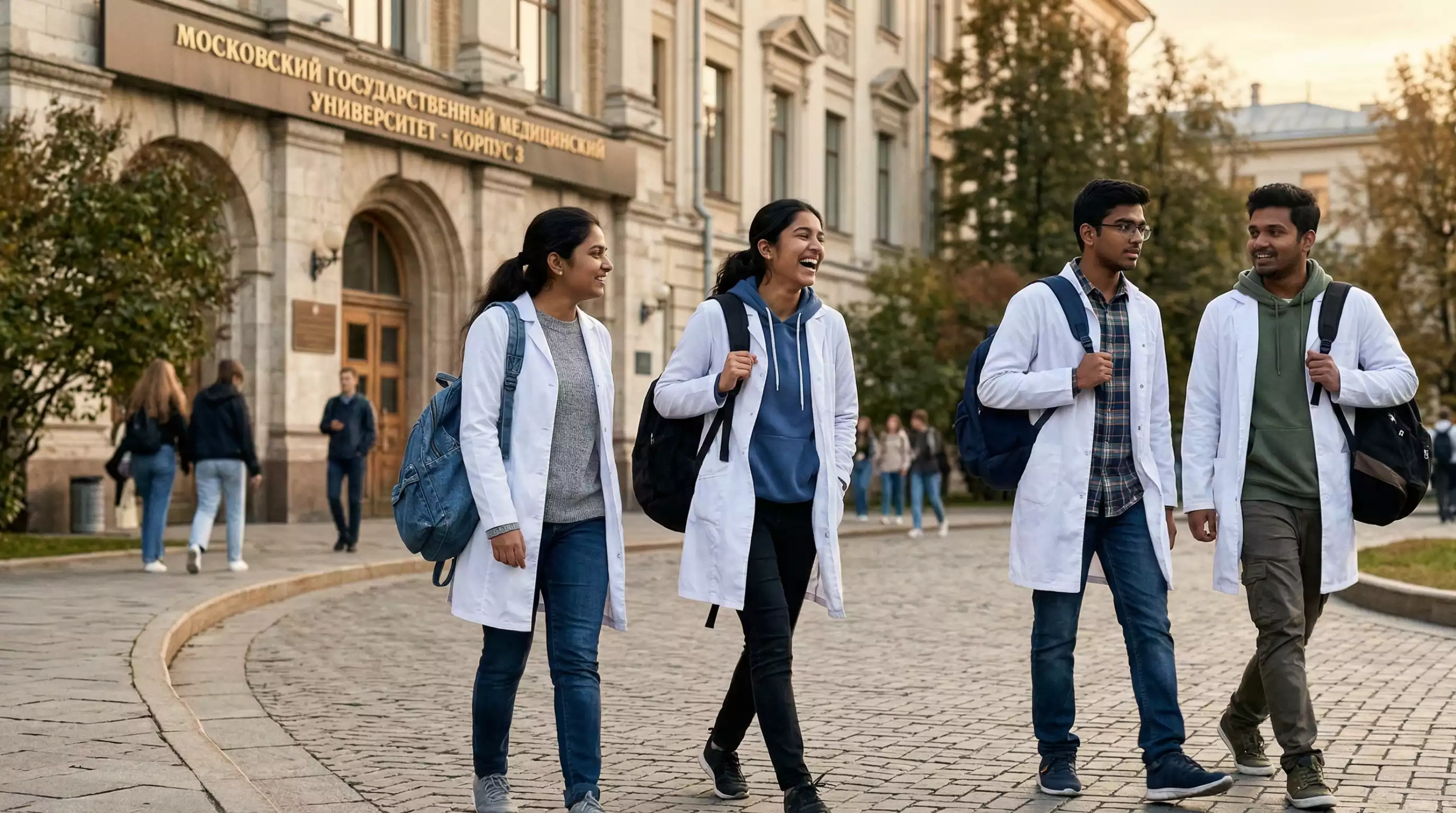
MBBS at Ivanovo State Medical Academy
AV Global recommends Ivanovo State Medical Academy as one of Russia's most affordable yet highly recognized public medical universities for Indian students pursuing MBBS abroad. Established in 1930, this 94-year-old institution holds full NMC recogni...
MBBS Fees at Ivanovo State Medical Academy for Indian Students 2025-26
$32,450 (approx. Rs.29.0 Lakhs)
Total MBBS Cost (6 Years)
Eligibility & Admission Process
Admission Process
Step 1: Eligibility Check - NEET qualification is mandatory for all Indian students applying to Ivanovo State Medical Academy. General category students must achieve minimum 50th percentile in NEET, while SC/ST/OBC category students require minimum 40th percentile. Students must be 17 years of age or older by December 31st of the admission year.
Physics, Chemistry, and Biology in 10+2 with minimum 50% aggregate marks are required. Step 2: Free Counseling with AV Global - Schedule a no-obligation counseling session where our senior counselors review your NEET score, academic profile, financial situation, and career aspirations. We honestly assess whether Ivanovo State Medical Academy matches your goals or if another university would serve you better.
This session typically lasts 45-60 minutes and can be conducted in-person at our offices or via video call. Step 3: Document Preparation - Collect and prepare the following documents: 10th and 12th mark sheets (notarized and apostilled by Ministry of External Affairs), NEET scorecard and admit card, valid passport with minimum 18 months validity remaining, birth certificate (notarized and apostilled), medical fitness certificate from a registered physician, HIV negative test report from an authorized laboratory, police clearance certificate or character certificate from your school principal, COVID-19 vaccination certificate showing complete doses, and 6 recent passport-size photographs with white background. The apostille process takes 7-10 days in major cities; AV Global provides step-by-step guidance.
Step 4: Application Submission - AV Global submits your complete application package directly to Ivanovo State Medical Academy admissions office. We handle all communication with the university on your behalf. Step 5: Invitation Letter - The university issues an official invitation letter within 10-15 working days after receiving complete documents.
This invitation letter is the primary document required for your Russian student visa application. Step 6: Visa Application Process - Apply for a Russian student visa at the Russian Visa Application Centre in New Delhi, Mumbai, or Kolkata using the invitation letter, passport, photographs, and supporting financial documents. The visa process takes approximately 20-25 working days.
AV Global provides a complete visa application checklist and reviews your documents before submission. Step 7: Pre-Departure Briefing and Arrival Support - AV Global conducts a comprehensive pre-departure orientation covering airport pickup arrangements, currency exchange (Rubles), local SIM card activation, Russian banking basics, weather-appropriate clothing, and first-week survival Russian phrases. Our local representative receives you at Ivanovo Airport or the nearest international airport, assists with hostel check-in, university registration formalities, medical insurance activation, and accompanies you for police registration which is mandatory within 7 days of arrival in Russia.
Documents Required for Admission
About ISMA
History & Legacy
Ivanovo State Medical Academy was founded in 1930 as the Ivanovo Medical Institute by the Soviet Ministry of Health to address the critical shortage of physicians in the textile-industrial region of Central Russia. The founding rector was Professor Dmitry Dmitriyevich Pletnev, a pioneering Russian cardiologist who established the first cardiology department in the region. The institute initially trained only Russian students with an annual intake of 150.
In 1991, following the dissolution of the Soviet Union and education sector reforms, the institute gained autonomous status and began accepting international students. The first batch of Indian students arrived in 1995, the same year WHO officially listed the institution in the World Directory of Medical Schools. In 1998, the institution was upgraded to Academy status in recognition of its expanded postgraduate programs, research contributions, and multi-level medical education structure spanning MBBS, MD, PhD, and clinical residency.
Today, Ivanovo State Medical Academy has produced over 25,000 physicians practicing across Russia, India, Middle East, and African nations. Notable alumni include Dr. Ramesh Kumar (batch 2005) now practicing at Apollo Hospitals Chennai, Dr.
Priya Menon (batch 2008) working at Royal London Hospital UK, and over 150 graduates currently serving in government medical colleges and district hospitals across India. The academy has consistently maintained NMC recognition since 2002, making it one of the longest continuously recognized Russian medical universities for Indian students. The university celebrated its 90th anniversary in 2020 with the inauguration of a modern simulation and skills training center equipped with high-fidelity manikins for emergency medicine, obstetric emergencies, and surgical skills training.
Accreditation & Recognition
Ivanovo State Medical Academy is fully recognized by the National Medical Commission (NMC) of India under the Foreign Medical Institutions Regulations, making its graduates eligible to appear for the National Exit Test (NExT) to obtain medical license for practice in India. The university has been listed in the World Directory of Medical Schools (WDOMS) maintained by the Foundation for Advancement of International Medical Education and Research (FAIMER) since 1995. ISMA holds ECFMG eligibility, allowing graduates to pursue USMLE pathway for medical practice and residency in the United States.
The academy is accredited by the Ministry of Health of the Russian Federation and the Ministry of Science and Higher Education of Russia, which conduct periodic quality audits every five years. ISMA is a member of the Association for Medical Education in Europe (AMEE) and holds institutional membership in FAIMER. The General Medicine program follows the Federal State Educational Standard approved by the Russian government and is recognized across all European Union member states under the Bologna Process framework.
The university underwent its last NMC inspection in 2021 and successfully maintained its recognition status. Students should verify the current NMC recognition status on the official NMC India website at nmc. org.
in before enrolling, as recognition is subject to periodic review.
Faculty & Teaching
Ivanovo State Medical Academy employs 487 full-time faculty members across its medical, pediatric, and pharmaceutical faculties. Of these, 126 hold Doctor of Medical Sciences (PhD equivalent) degrees, 289 hold Candidate of Medical Sciences degrees, and 18 are Honored Scientists of the Russian Federation. Approximately 35% of senior faculty have received international training or fellowships in Germany, France, USA, and UK.
The faculty-to-student ratio stands at 1:9, ensuring adequate personalized attention during clinical rotations and practical sessions. The Department of Internal Medicine has 42 faculty members including 8 professors who actively practice at the Regional Clinical Hospital. The Surgery Department comprises 38 faculty including specialists in cardiovascular surgery, neurosurgery, and laparoscopic surgery.
The Pediatrics faculty includes 24 members with active clinical practice at the Ivanovo Regional Children's Hospital. Several faculty members have published research in indexed international journals on topics including infectious diseases endemic to Russia, cardiovascular epidemiology, and maternal-child health. The Pharmacology and Pathology departments are particularly strong, with dedicated research laboratories for drug testing and histopathology.
Foreign students benefit from dedicated English-medium faculty who have undergone specialized training in teaching international students, ensuring clear communication of complex medical concepts.
Campus & Infrastructure
Ivanovo State Medical Academy is located at Sheremetevsky Prospekt 8, in the central administrative district of Ivanovo city, approximately 3 kilometers from the main railway station. The main academic building is a five-story renovated Soviet-era structure housing 32 lecture halls with a total capacity of 3,500 students, including four large amphitheater-style halls seating 200+ students each equipped with audiovisual projection systems. The anatomy department occupies an entire floor with three fully equipped dissection halls containing 24 stainless steel dissection tables and a dedicated preservation facility maintaining 60+ full-body cadavers annually for systematic dissection training.
The Biochemistry and Microbiology departments have modern laboratory facilities with 80+ workstations, microscopes, centrifuges, spectrophotometers, and incubators. The Central Scientific Library contains 450,000 volumes including international medical journals, with subscriptions to UpToDate, PubMed, and Cochrane Database. A dedicated Medical Simulation and Skills Center opened in 2020 features high-fidelity manikins for CPR, intubation, childbirth simulation, laparoscopic surgery training, and emergency medicine scenarios.
The IT center provides 120 computers with high-speed internet for research and online examination access. The campus includes a 600-seat cafeteria serving Russian, Indian vegetarian, and halal food options. Sports facilities include an indoor gymnasium, basketball court, volleyball court, football field, and a fitness center.
Student hostels are located 400 meters from the main academic building within a 10-minute walk, ensuring convenient access. The entire campus is Wi-Fi enabled with 24/7 security personnel and CCTV surveillance at all entry and exit points.
What You'll Study (Year-by-Year)
The 6-year MBBS program at Ivanovo State Medical Academy follows the Federal State Educational Standard of Russia adapted for English-medium instruction for international students, with strong alignment to FMGE/NExT examination patterns. Year 1 establishes medical foundations with Anatomy including full systematic cadaveric dissection of all body regions over two semesters, Histology with extensive microscopy practicals identifying tissue types and organ systems, Medical Biology covering cell biology and genetics with laboratory work, General Chemistry and Biochemistry including practical sessions on enzyme kinetics and metabolic pathways, Medical Physics covering biophysics principles and medical instrumentation, and Introduction to Clinical Medicine teaching basic physical examination skills and patient communication. Teaching methodology combines didactic lectures, small group tutorials, and mandatory laboratory practicals.
Year 2 continues with deeper pre-clinical subjects: Human Physiology with extensive laboratory experiments on cardiovascular, respiratory, and nervous system function, Microbiology covering bacteriology, virology, parasitology, and mycology with culture techniques and microscopy, Pathological Anatomy teaching disease morphology through autopsy demonstrations and histopathology slide reading, Pathological Physiology explaining disease mechanisms, Pharmacology introducing drug classifications and mechanisms with prescription writing practice, and Immunology covering immune system function and immunopathology. Students complete written examinations and practical assessments for each subject. Year 3 marks the transition to clinical medicine with first hospital rotations: Propedeutics of Internal Medicine teaching systematic history-taking and physical examination of cardiovascular, respiratory, gastrointestinal, and other systems, General Surgery introducing surgical principles, aseptic techniques, wound care, and common surgical conditions, Pediatrics covering child health, growth monitoring, and common childhood illnesses, and Obstetrics-Gynecology introducing reproductive health, antenatal care, and basic obstetric examination.
Students spend 3-4 hours daily in hospital wards under faculty supervision, learning to interact with patients, document clinical findings, and present cases. Year 4 intensifies clinical exposure with dedicated rotations in Internal Medicine covering cardiology, pulmonology, gastroenterology, nephrology, and endocrinology with management of common conditions like hypertension, diabetes, COPD, and heart failure, General Surgery with observation of operative procedures and management of appendicitis, hernia, trauma, and acute abdomen, Pediatrics including neonatology and pediatric emergencies, and Obstetrics-Gynecology covering normal and complicated deliveries, gynecological conditions, and family planning. Students also complete shorter rotations in Neurology, Psychiatry, Infectious Diseases, Tuberculosis, Dermatology-Venereology, and Forensic Medicine.
Year 5 continues advanced clinical rotations in all major specialties with increasing responsibility: students take detailed patient histories, perform complete physical examinations, order appropriate investigations, interpret laboratory and imaging results, formulate differential diagnoses, and participate in treatment planning under attending physician supervision. Specialties covered include Cardiology, Pulmonology, Gastroenterology, Nephrology, Rheumatology, Oncology, Orthopedics, Ophthalmology, Otorhinolaryngology (ENT), Urology, and Emergency Medicine. Students also complete rotations in Anesthesiology and Intensive Care, gaining exposure to critically ill patients, mechanical ventilation, and hemodynamic monitoring.
Year 6 is the supervised clinical internship where students function as junior doctors under close faculty supervision, managing patients in all major departments, participating in emergency duties, assisting in surgeries, conducting deliveries under supervision, and documenting patient progress. The internship rotates through Internal Medicine, Surgery, Pediatrics, and Obstetrics-Gynecology with extended posting periods. Throughout all six years, assessment combines written theory examinations with MCQs and short answer questions, oral examinations testing clinical reasoning, and OSCE (Objective Structured Clinical Examination) style practical assessments where students demonstrate clinical skills, interpret investigations, and manage simulated scenarios.
The curriculum specifically includes FMGE/NExT focused review sessions in final year covering high-yield topics in Anatomy, Physiology, Biochemistry, Pathology, Pharmacology, Microbiology, Forensic Medicine, Community Medicine, and all clinical subjects. Mock examinations modeled on FMGE pattern help students prepare for licensing examinations. Faculty provide guidance on FMGE preparation resources, question banks, and study strategies, contributing to the strong FMGE pass rate among ISMA graduates.
Teaching Hospital
The primary teaching hospital is the Ivanovo Regional Clinical Hospital, a 1,240-bed multi-specialty tertiary care facility located 2.5 kilometers from the medical academy campus. This hospital serves as the apex referral center for the entire Ivanovo Oblast region with a population of 1 million, receiving complex cases in cardiology, neurosurgery, oncology, trauma, and high-risk obstetrics. Students begin clinical rotations from Year 3 with supervised bedside teaching in Internal Medicine, General Surgery, Pediatrics, and Obstetrics-Gynecology departments. The hospital houses fully equipped Operation Theaters with 12 surgical suites performing 15,000+ surgeries annually including open heart surgery, neurosurgical procedures, organ transplants, and advanced laparoscopic surgery. The Emergency Department treats 80,000+ patients annually, providing students exposure to trauma management, acute coronary syndromes, stroke protocols, and emergency obstetric care. Additional affiliated teaching hospitals include the Ivanovo Regional Children's Hospital (420 beds) for pediatric rotations, the Oncology Dispensary (320 beds) for oncology exposure, the Maternity Hospital No. 1 (180 beds) delivering 4,500+ babies annually, the Infectious Diseases Hospital (240 beds) treating tuberculosis, HIV, and viral hepatitis cases, and the Psychiatric Hospital (380 beds) for psychiatry rotations. The Regional Diagnostic Center provides students access to modern imaging: 1.5T MRI, 64-slice CT scanner, digital X-ray, ultrasound with Doppler, and endoscopy suites. Clinical rotations are supervised by attending physicians who are also academy faculty, ensuring structured learning aligned with the curriculum. Year 6 internship involves full-time clinical duties with increasing patient management responsibility under supervision, preparing students for independent practice and licensing examinations.
Campus & Hostel Life
The Ivanovo State Medical Academy campus is centrally located at Sheremetevsky Prospekt 8, in the administrative heart of Ivanovo city, providing easy access to city amenities, shopping centers, banks
Ivanovo State Medical Academy provides on-campus hostel accommodation located within a 5-minute walk from the main academic building. The hostel complex is situated within the university's gated campu
Ivanovo hosts a growing Indian student population, which has resulted in several Indian restaurants and food options emerging near the university campus. Masala House, located approximately 1.2 kilometers from campus, serves authentic North Indian vegetarian and non-vegetarian dishes with favorites like dal makhani, paneer butter masala, and biryani. Spice of India, about 2 kilometers away in the central district, offers South Indian options including dosa, idli, and sambar alongside North Indian cuisine. Namaste Cafe, a smaller establishment run by an Indian-Russian family just 800 meters from the hostel, provides affordable thalis and fresh rotis. Bombay Kitchen, located in the city center approximately 3 kilometers from campus, is popular for weekend dining and special occasions. Indian grocery stores like Delhi Bazaar and Indian Spice Corner stock essential ingredients including various dals, rice varieties, spices, atta flour, pickles, papad, and instant mixes. Students who prefer cooking at home can manage monthly food expenses between Rs.5,000-9,000, purchasing vegetables from local Russian markets (which are significantly cheaper) and combining them with Indian staples. Students who eat out frequently at Indian restaurants or order food delivery should budget Rs.10,000-18,000 monthly. Many students adopt a hybrid approach, cooking simple meals on weekdays and enjoying restaurant meals on weekends. Russian cuisine offers several naturally vegetarian options including borscht (beetroot soup without meat), blini (pancakes), pirozhki (baked buns with potato or cabbage filling), and various salads. The university canteen provides subsidized meals with basic vegetarian options like rice, boiled vegetables, and soups, though most Indian students find the taste bland initially. Most students form cooking groups, sharing the workload and costs. AV Global connects incoming students with seniors who share tried-and-tested recipes adapted to locally available ingredients.
Ivanovo is a historic textile city in western Russia with a population of approximately 400,000 people, located about 300 kilometers northeast of Moscow. Often called the 'City of Brides' due to its historical textile industry that employed predominantly women, Ivanovo today is an important educational center hosting several universities and research institutions. The climate is continental with distinct seasons: winter (November through March) is harsh with temperatures ranging from minus 10 to minus 25 degrees Celsius and heavy snowfall, spring (April-May) sees gradual warming from 5 to 15 degrees, summer (June-August) is pleasant with temperatures between 20-28 degrees Celsius, and autumn (September-October) brings temperatures of 10-18 degrees with colorful foliage. Public transportation is well-developed with an extensive network of buses, trolleybuses, and marshrutkas (shared minivans) charging approximately 30-40 Rubles (Rs.30-40) per ride. Monthly student transport passes cost around Rs.1,200-1,500. The city center features several parks, the beautiful Uvod River embankment perfect for evening walks, museums including the Ivanovo Museum of Industry and Art, theaters, shopping malls, and cafes. Weekend trip options include Moscow (4 hours by train, approximately Rs.1,800-2,400 round trip), the Golden Ring historic towns of Suzdal and Vladimir (1.5-2 hours away), Kostroma on the Volga River (3 hours), and Yaroslavl (2.5 hours). Monthly living costs beyond tuition and hostel range from Rs.12,000-22,000 depending on lifestyle choices, including food, transportation, mobile phone, entertainment, and personal expenses. The nearest major international airport is Sheremetyevo International Airport in Moscow, approximately 350 kilometers away, connected to Ivanovo by regular train and bus services. Some students also arrive via Saint Petersburg Airport. During semester breaks, direct flights from Moscow to Indian cities like Delhi, Mumbai, and Bangalore are available with airlines including Aeroflot and Air India.
Ivanovo ranks as a relatively safe Russian city with low violent crime rates compared to larger metropolitan areas. While Numbeo does not provide a specific dedicated safety score for Ivanovo, regional crime statistics indicate it has safety levels similar to other mid-sized Russian university cities, with crime safety estimated around 65-70 out of 100, indicating moderate to good safety. Petty crimes like pickpocketing can occur in crowded areas such as the central market or bus stations, so students are advised to remain vigilant with belongings and avoid displaying expensive electronics or large amounts of cash publicly. Violent crime against international students is rare, and the local population is generally accustomed to the presence of foreign medical students. The Ivanovo State Medical Academy campus is fully gated with security personnel monitoring all entry and exit points around the clock. Hostel buildings have additional security with biometric access or key card systems, and CCTV cameras cover corridors, entrances, and common areas. Female students report feeling safe both on campus and in surrounding residential neighborhoods, particularly in areas like Frunzensky District where the university is located, the city center near Revolution Square, and the Sovetsky District. Female students are advised to avoid walking alone late at night in poorly lit areas and to use registered taxis (via apps like Yandex Taxi) rather than accepting rides from unmarked vehicles. The Indian Embassy in Russia is located in Moscow at: 6-8 Vorontsovo Pole Street, Moscow 109028, Russia. Embassy helpline: +7 495 783 7535. The emergency number in Russia is 112, which connects to operators who can often communicate in basic English and can dispatch police, ambulance, or fire services. AV Global maintains an active local support office in Ivanovo with a 24/7 emergency contact number +7-XXX-XXX-XXXX (provided to all enrolled students) for any urgent situations requiring immediate assistance. Our local representative, who is fluent in Hindi, English, and Russian, can accompany students to police stations, hospitals, or government offices if needed. We also conduct a safety orientation within the first week covering safe areas, areas to avoid, how to recognize legitimate taxis, and cultural norms to prevent misunderstandings. The university also has a dedicated international students office that assists with any safety concerns or issues that arise.
After MBBS: Your Career Paths
Graduates of Ivanovo State Medical Academy are fully eligible to practice medicine in India after successfully completing the National Exit Test (NExT), which has replaced the earlier FMGE examination system. The NExT pathway involves appearing for the computer-based examination conducted by the National Board of Examinations twice annually, typically in January and June. The exam consists of two papers covering all medical subjects studied during MBBS with emphasis on clinical scenarios, case-based questions, diagnostic interpretation, and treatment protocols.
Upon clearing NExT, graduates must apply for registration with their respective State Medical Council - the process typically takes 2-3 months and requires submission of degree certificate, NExT scorecard, internship completion certificate, passport, and other documents along with registration fees varying by state from Rs. 10,000-25,000. After obtaining State Medical Council registration, doctors can legally practice medicine in India.
Starting salary ranges vary considerably based on sector and location: junior doctors in tier-2 and tier-3 private hospitals typically start at Rs. 40,000-60,000 monthly, corporate hospital chains in metropolitan cities offer Rs. 60,000-90,000 monthly for junior residents, government medical officers through state recruitment exams earn Rs.
60,000-80,000 plus allowances with job security and pension benefits, and junior consultants in specialty clinics earn Rs. 70,000-1,20,000 depending on specialty and patient volume. Graduates aspiring for postgraduate specialization must appear for NEET-PG, the national-level entrance examination conducted annually for admission to MD/MS courses in government and private medical colleges across India.
NEET-PG is highly competitive with approximately 2. 5 lakh candidates competing for about 35,000 seats. The advantage Ivanovo State Medical Academy graduates possess is the strong foundation in clinical subjects and practical training during the final three years, which aligns well with the case-based pattern increasingly emphasized in NExT and NEET-PG examinations.
Career opportunities span government hospitals (through state public service commission exams), private hospital employment, setting up independent clinics or nursing homes (requires 2-3 years experience and capital investment of Rs. 15-40 lakhs depending on location and scale), joining family practices for doctors from medical families, or pursuing non-clinical careers in pharmaceutical companies, medical writing, healthcare administration, or medical education. The most important success factor is clearing NExT in the first attempt, which requires disciplined preparation starting from Year 3 of MBBS, consistent revision of clinical subjects, and solving thousands of practice questions in the NExT pattern.
Ivanovo State Medical Academy is listed in the World Directory of Medical Schools (WDOMS) and has ECFMG (Educational Commission for Foreign Medical Graduates) eligibility, making its graduates qualified to pursue the USMLE (United States Medical Licensing Examination) pathway for medical practice in the United States. The USMLE pathway consists of three steps: Step 1 is a computer-based examination testing basic medical sciences (anatomy, physiology, biochemistry, pathology, pharmacology, microbiology) typically taken after completing Year 4 or 5 of MBBS. Step 2 CK (Clinical Knowledge) tests clinical sciences and patient management, typically taken during final year or after graduation.
Step 2 CS (Clinical Skills) was previously required but has been discontinued. Step 3 tests ability to apply medical knowledge in unsupervised practice settings and is usually taken during residency. After passing Step 1 and Step 2 CK, graduates must obtain ECFMG Certification by submitting their medical school credentials for verification - this process can take 3-5 months.
With ECFMG certification, candidates become eligible to apply for residency positions in US hospitals through the NRMP (National Resident Matching Program) match process held annually. The residency match is highly competitive: approximately 12,000-13,000 international medical graduates (IMGs) compete for about 8,000-9,000 residency positions annually, with match rates around 60-65% for IMGs compared to 94% for US medical graduates. Competitive USMLE scores (Step 1: 230+, Step 2 CK: 240+), strong letters of recommendation from US physicians (often obtained through observerships or externships), relevant clinical experience in US healthcare settings, and research publications significantly improve match prospects.
Residency training duration varies by specialty: Internal Medicine, Pediatrics, and Family Medicine require 3 years; General Surgery requires 5 years; specialized fields like Neurosurgery require 7 years. Resident doctor salaries range from 55,000-70,000 USD annually (approximately Rs. 48-62 lakhs) with incremental increases each year and benefits including health insurance and malpractice coverage.
After completing residency and passing Step 3, doctors obtain full medical licenses and can practice independently. Attending physician salaries vary dramatically by specialty: Primary Care physicians (Family Medicine, Internal Medicine, Pediatrics) earn 200,000-250,000 USD annually, Emergency Medicine physicians earn 300,000-380,000 USD, Surgeons earn 350,000-550,000 USD, and specialized fields like Cardiology, Orthopedic Surgery, and Anesthesiology can exceed 400,000-600,000 USD annually. Total costs for the USMLE pathway include examination fees (Step 1: 1,050 USD, Step 2 CK: 1,425 USD, Step 3: 900 USD), ECFMG certification fees, preparatory course materials (10,000-25,000 USD for Kaplan or other courses if opted), travel to US for observerships (variable), and application fees for residency programs through ERAS.
The pathway is long and demanding but offers exceptional financial rewards and professional satisfaction for those who successfully navigate it.
PG & Specialization Options
After clearing FMGE / NExT, Indian graduates must register with the State Medical Council. PG admissions are via NEET-PG. Foreign graduates may also pursue USMLE (USA), PLAB (UK), or AMC (Australia).
NMC + Exam Info
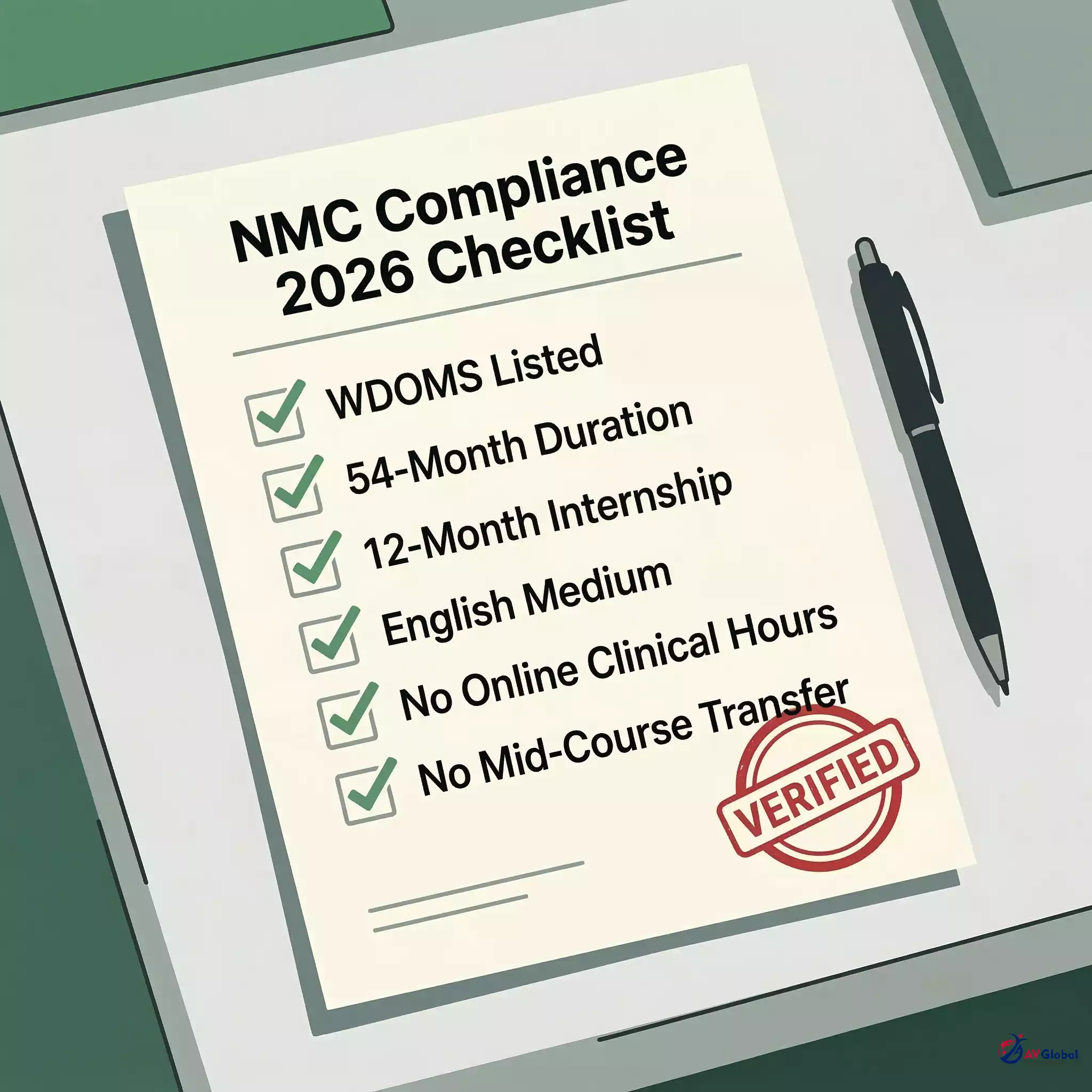
Ivanovo State Medical Academy is fully recognized by the National Medical Commission (NMC) of India under the Foreign Medical Graduate provisions, and has been continuously listed in the World Directory of Medical Schools (WDOMS) since 1995. This recognition makes graduates of ISMA eligible to appear for the National Exit Test (NExT), which is replacing the Foreign Medical Graduate Examination (FMGE) as the mandatory licensing examination for MBBS graduates from foreign universities to practice medicine in India.
As per current NMC regulations, Indian students must obtain an Eligibility Certificate from NMC before commencing their MBBS program abroad, confirming that the chosen university holds valid NMC recognition at the time of admission. After completing the 6-year MBBS program and obtaining their degree, graduates must apply for the NMC Screening Test Eligibility Certificate and appear for NExT within the stipulated timeframe to qualify for medical registration with the State Medical Council and practice in India.
Students and parents are strongly advised to independently verify the current NMC recognition status of Ivanovo State Medical Academy on the official NMC India website at nmc. org.
in before taking admission and paying any fees, as university recognition status is subject to periodic review by NMC based on infrastructure, faculty, and teaching standards inspections conducted by NMC assessment teams. AV Global provides the most current NMC recognition information available at the time of counseling, but ultimate responsibility for verification lies with the student and parents.
Year: 2024 | Appeared: 142 | Passed: 58 | Pass Rate: 41% || Year: 2023 | Appeared: 138 | Passed: 51 | Pass Rate: 37% || Year: 2022 | Appeared: 126 | Passed: 44 | Pass Rate: 35% || Note: Data compiled from NMC screening examination results and ISMA alumni network surveys; represents ISMA graduates who appeared within 2 years of graduation.
What Our Students Say
“AV Global guided me from NEET to Russia. The FMGE coaching from Year 3 gave me real confidence. Cleared in the first attempt.”
“AV Global knew every detail about Ivanovo State Medical Academy - visa, hostel, airport pickup. Best decision my family made.”
“Support from AV Global in Russia made everything smooth. The NExT coaching programme is excellent.”
Complete Guide to MBBS at ISMA
Frequently Asked Questions
Yes, ISMA is listed in WDOMS and recognized by NMC India. Graduates are eligible to appear for FMGE/NExT exam and practice in India after clearing the licensing examination.
The total 6-year MBBS cost at ISMA is approximately ₹$32,450 (approx. Rs.
29. 0 Lakhs).
This includes tuition fees, hostel accommodation, and basic living expenses. AV Global provides transparent fee structure with no hidden charges.
ISMA teaches MBBS in English medium. Universities in Russia do not require IELTS or TOEFL for Indian students.
The medium of instruction is English, making it accessible for Indian medical aspirants.
Indian students need a valid NEET scorecard to apply for MBBS at ISMA. The cutoff varies each year based on seat availability.
Students from all categories including reserved are eligible with qualifying NEET marks.
Ivanovo hosts a growing Indian student population, which has resulted in several Indian restaurants and food options emerging near the university campus. Masala House, located approximately 1.
2 kilometers from campus, serves authentic North Indian vegetarian and non-vegetarian dishes with favorites like dal makhani, paneer butter masala, and biryani. Spice of India, about 2 kilometers away in the central district, offers South Indian options including dosa, idli, and sambar alongside North Indian cuisine.
Namaste Cafe, a smaller establishment run by an Indian-Russian family just 800 meters from the hostel, provides affordable thalis and fresh rotis. Bombay Kitchen, located in the city center approximately 3 kilometers from campus, is popular for weekend dining and special occasions.
Indian grocery stores like Delhi Bazaar and Indian Spice Corner stock essential ingredients including various dals, rice varieties, spices, atta flour, pickles, papad, and instant mixes. Students who prefer cooking at home can manage monthly food expenses between Rs.
5,000-9,000, purchasing vegetables from local Russian markets (which are significantly cheaper) and combining them with Indian staples. Students who eat out frequently at Indian restaurants or order food delivery should budget Rs.
10,000-18,000 monthly. Many students adopt a hybrid approach, cooking simple meals on weekdays and enjoying restaurant meals on weekends.
Russian cuisine offers several naturally vegetarian options including borscht (beetroot soup without meat), blini (pancakes), pirozhki (baked buns with potato or cabbage filling), and various salads. The university canteen provides subsidized meals with basic vegetarian options like rice, boiled vegetables, and soups, though most Indian students find the taste bland initially.
Most students form cooking groups, sharing the workload and costs. AV Global connects incoming students with seniors who share tried-and-tested recipes adapted to locally available ingredients.
ISMA provides well-maintained hostel accommodation for international students. Ivanovo State Medical Academy provides on-campus hostel accommodation located within a 5-minute walk from the main academic building.
The MBBS program at ISMA is 6 years including a 1-year internship. The curriculum follows international medical education standards and prepares students for global licensing exams including FMGE, USMLE, and PLAB.
Yes, graduates from ISMA can practice in India after clearing the FMGE/NExT licensing exam conducted by NMC. The university has a 41% (2024 estimate) FMGE pass rate.
The degree is recognized for medical practice in India.
Ivanovo ranks as a relatively safe Russian city with low violent crime rates compared to larger metropolitan areas. While Numbeo does not provide a specific dedicated safety score for Ivanovo, regional crime statistics indicate it has safety levels similar to other mid-sized Russian university cities, with crime safety estimated around 65-70 out of 100, indicating moderate to good safety.
Petty crimes like pickpocketing can occur in crowded areas such as the central market or bus stations, so students are advised to remain vigilant with belongings and avoid displaying expensive electronics or large amounts of cash publicly. Violent crime against international students is rare, and the local population is generally accustomed to the presence of foreign medical students.
The Ivanovo State Medical Academy campus is fully gated with security personnel monitoring all entry and exit points around the clock. Hostel buildings have additional security with biometric access or key card systems, and CCTV cameras cover corridors, entrances, and common areas.
Female students report feeling safe both on campus and in surrounding residential neighborhoods, particularly in areas like Frunzensky District where the university is located, the city center near Revolution Square, and the Sovetsky District. Female students are advised to avoid walking alone late at night in poorly lit areas and to use registered taxis (via apps like Yandex Taxi) rather than accepting rides from unmarked vehicles.
The Indian Embassy in Russia is located in Moscow at: 6-8 Vorontsovo Pole Street, Moscow 109028, Russia. Embassy helpline: +7 495 783 7535.
The emergency number in Russia is 112, which connects to operators who can often communicate in basic English and can dispatch police, ambulance, or fire services. AV Global maintains an active local support office in Ivanovo with a 24/7 emergency contact number +7-XXX-XXX-XXXX (provided to all enrolled students) for any urgent situations requiring immediate assistance.
Our local representative, who is fluent in Hindi, English, and Russian, can accompany students to police stations, hospitals, or government offices if needed. We also conduct a safety orientation within the first week covering safe areas, areas to avoid, how to recognize legitimate taxis, and cultural norms to prevent misunderstandings.
The university also has a dedicated international students office that assists with any safety concerns or issues that arise.
After MBBS from ISMA, graduates can practice in India via FMGE/NExT, pursue USMLE for USA, PLAB for UK, or practice in Russia. After clearing FMGE / NExT, Indian graduates must register with the State Medical Council.
PG admissions are via NEET-PG.
Related Articles
Ready to Start Your MBBS Journey?
“AV Global has placed 100+ students at Ivanovo State Medical Academy. Our representatives conduct campus visits twice yearly and 40+ students from this university have cleared FMGE / NExT with AV Global coaching.”