By AV Global Counselling Team | Last Updated: March 2026 | Reading Time: 14 minutes
Every week, at least a dozen families walk into our offices in Nagpur, Mumbai, and Pune asking the same question: "What about Russia?"
And I completely understand why. Russia has been sending Indian students home as doctors since the 1970s. The names - Sechenov, Kazan, Kursk - carry a kind of weight in Indian medical families that Georgia or Uzbekistan just don't have yet. These are universities your parents' generation knew about. There's a legacy there.
But there's also confusion. After 2022, a lot of families quietly shelved Russia from their shortlist without ever really looking at the facts. And I think that's a mistake - for many students, a serious one.
So this is my attempt at a proper, honest answer. Not a brochure. Not a list of bullet points copied from a university's marketing page. This is what I'd tell you if you were sitting across from me in my office right now.
Let's go through everything that actually matters.
Why Russia Has Been a Top MBBS Destination for 50+ Years
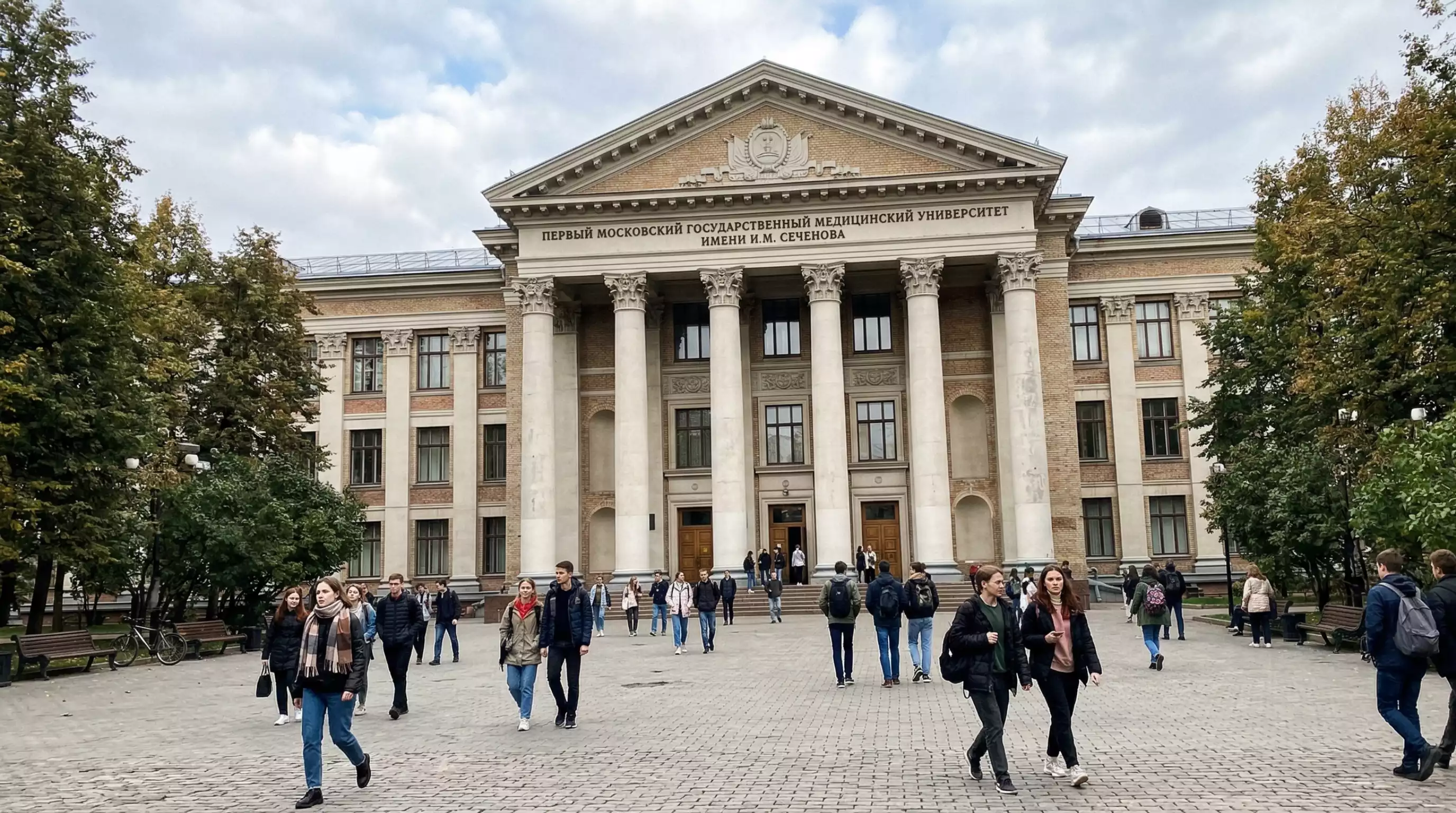
Before we get into fees and safety and FMGE pass rates - let me just say this plainly: Russia is not a backup option. It never was.
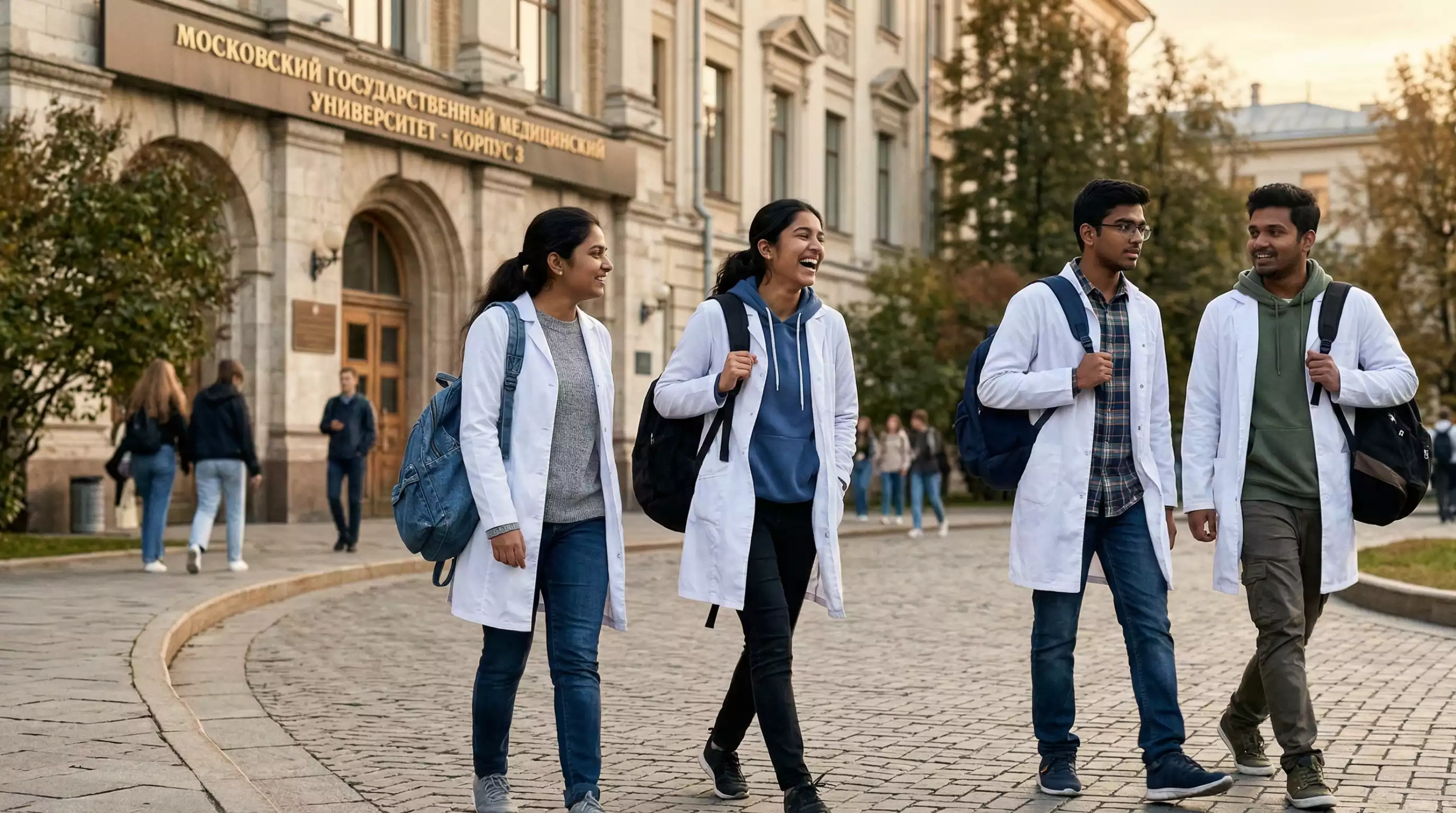
Over 18,000 Indian students are currently studying MBBS in Russia. That is more than any other country outside India. These are real people, from real families, who made a considered decision. Their degrees are valid. Their careers are real. And the clinical exposure they're getting - particularly in large Russian government hospitals - is among the best available anywhere in the world at this price point.
Here's what makes Russia structurally strong for Indian students:
English-medium programmes with 50+ years of experience teaching international students. Russian universities were among the first in the world to create dedicated English-medium MBBS programmes for international students. The curriculum, the faculty, and the administrative processes have been refined over decades. This isn't an experiment.
Government universities with genuine infrastructure. The hospitals attached to Russian medical universities see patient loads that most Indian private hospitals cannot match. Kazan State Medical University, for example, is attached to hospitals with thousands of beds and genuine patient diversity across internal medicine, surgery, paediatrics, and obstetrics. Clinical training in these hospitals is not simulated - it is real.
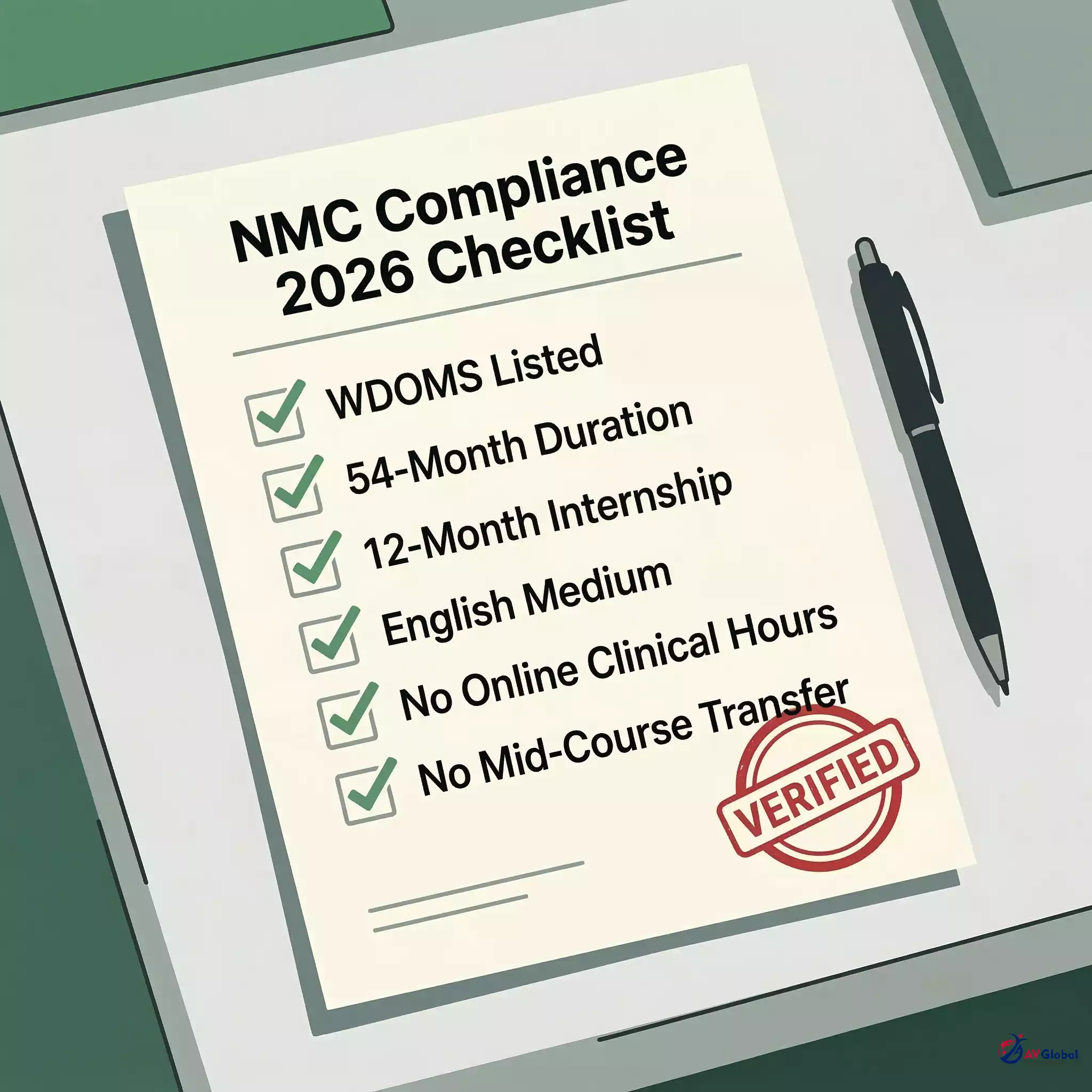
NMC recognition and WDOMS listing across all major universities. Every university AV Global partners with in Russia is listed on the World Directory of Medical Schools (WDOMS), the international standard for medical degree recognition. Your degree from a proper Russian university is valid for NExT, valid for USMLE, valid for PLAB.
The fee structure is genuinely competitive. For a 6-year MBBS programme from a well-ranked government university in Russia, the total cost - including tuition, hostel, and food - sits between Rs 25 and Rs 40 lakhs. That is one-third to one-fourth what an Indian private medical college charges today, with none of the donation culture.
The Safety Question - Let Me Be Completely Honest With You
I know this is the first thing your family is thinking about. So I'm going to address it directly, without softening anything.
The conflict involving Russia and Ukraine is real. It is ongoing. And any counsellor who dismisses your concerns about it with a wave of the hand does not deserve your trust.
Here is what I can tell you based on actual ground reality, verified by our team that works with students in Russia right now.
Russia is an enormous country. The distance from Moscow to the Ukrainian border is roughly the same as the distance from Delhi to Chennai. The cities where Indian students typically study for MBBS - Kazan, Ufa, Rostov-on-Don (which is further east), Kursk, Volgograd, Omsk, Tomsk - are geographically removed from the conflict zone. Students in Kazan and Siberian cities like Novosibirsk and Tomsk are living, studying, and doing hospital rotations with no direct disruption to their daily academic life.
That said, Rostov-on-Don is closer to the affected region than the other cities, and I would be less enthusiastic about recommending it compared to universities in Kazan, Ufa, or Siberia right now. This is the kind of honest geographic nuance that matters.
What our students in Russia are actually reporting:
- Academic calendars are running normally in most cities
- Hospital rotations are ongoing
- The Indian community is intact and active
- Access to Indian food in larger cities has actually improved over the past year
What are the real challenges:
- Banking and financial transfers remain the biggest practical headache. SWIFT disruptions mean some families have to use alternate transfer mechanisms - and we help all our students navigate this before they leave.
- Flight routes have changed. There are no direct flights from India currently. Students typically route through Dubai, Istanbul, or Central Asian hubs. Travel time is longer and costs are slightly higher.
- Currency exchange has its own complexity. The ruble fluctuates.
These are real inconveniences. They are not, in my assessment, reasons to abandon a 6-year medical education if the university and city are right for your child's profile.
My honest recommendation on Russia: If your child's profile, NEET score, and budget make Russia a strong fit - and you choose a university in a city like Kazan, Ufa, Samara, or a Siberian city - Russia remains a legitimate and strong option. If the uncertainty still doesn't sit right with your family after this explanation, I understand completely, and we have excellent options in Georgia, Kazakhstan, and Uzbekistan.
But do not let fear that is based on geography make a decision for you without looking at the facts.
NMC Approval Status: Which Russian Universities Are Valid in 2026?
This is non-negotiable, so I want to spend real time on it.
The National Medical Commission (NMC) of India recognises degrees from foreign universities that are listed on the World Directory of Medical Schools (WDOMS). This is the definitive standard. No WDOMS listing = no NExT eligibility = your child cannot practice medicine in India.
Every partner university AV Global works with in Russia is WDOMS-listed. But since I'm writing this guide for every student reading it - not just ours - let me give you the framework for checking any Russian university yourself.
Step 1: Visit wdoms.org and search for the university by name.
Step 2: Confirm it appears as "Listed" (not just "In review" or absent).
Step 3: Cross-reference with the NMC's published list of NMC-approved medical universities for the current year.
The NMC list matters separately from WDOMS. The NMC releases an updated list periodically. Always verify that the specific university you're considering is on both lists before making any commitment.
Here are the consistently WDOMS-listed Russian universities that AV Global works with and that have strong academic track records for Indian students:
| University | City | NMC / WDOMS Status | Approx. Annual Tuition |
|---|---|---|---|
| Kazan State Medical University | Kazan | Listed | Rs 3.5 - 4.5 L/yr |
| Bashkir State Medical University | Ufa | Listed | Rs 3.2 - 4.2 L/yr |
| Kursk State Medical University | Kursk | Listed | Rs 4 - 5 L/yr |
| Samara State Medical University | Samara | Listed | Rs 3.5 - 4.5 L/yr |
| Volgograd State Medical University | Volgograd | Listed | Rs 3.2 - 4 L/yr |
| Rostov State Medical University | Rostov-on-Don | Listed | Rs 3.5 - 4.5 L/yr |
| Siberian State Medical University | Tomsk | Listed | Rs 3.2 - 4 L/yr |
| Orenburg State Medical University | Orenburg | Listed | Rs 3 - 3.8 L/yr |
| Omsk State Medical University | Omsk | Listed | Rs 3 - 3.8 L/yr |
| Sechenov University (First Moscow) | Moscow | Listed | Rs 6 - 8 L/yr |
| Pirogov RNRMU | Moscow | Listed | Rs 6 - 8 L/yr |
Fees shown are approximate 2025-26 figures. Contact us for the current confirmed fee structure from each university.
One important note on Moscow universities: Sechenov and Pirogov are academically excellent, but the living cost in Moscow has risen significantly. The total cost including accommodation in Moscow will be 30-40% higher than Kazan or Ufa. For most families, the universities in Kazan, Ufa, and Samara offer comparable academic quality at substantially lower total cost.
The Honest FMGE / NExT Reality for Russia
Let me tell you what families almost never ask until it's too late - and what they should ask before anything else.
The FMGE (which is transitioning to NExT) pass rate is the single most important indicator of how well a university actually prepares its students to practice medicine in India. It is not the fee. It is not the brochure photos. It is not what the university's agent says in a presentation.
The national FMGE first-attempt pass rate for all foreign medical graduates is approximately 14-18%. That means most students who study MBBS abroad - from any country - fail on their first attempt. This is not Russia-specific. It is a systemic reality of the FMGE examination's design.
However, within Russia, there is a significant spread between universities. Some Russian universities have produced students with first-attempt FMGE pass rates above 40-50% when students are prepared consistently and rigorously. Others have pass rates in the single digits.
What drives the difference? Three things - curriculum design aligned with the Indian pattern paper, the availability of FMGE coaching integrated into the programme, and the quality of clinical exposure in teaching hospitals. Universities like Kazan and Kursk have longer histories with Indian students and have gradually built academic structures that account for NExT/FMGE preparation.
My advice to every family: Before you sign anything, ask the university directly for the documented FMGE first-attempt pass rate for their Indian graduates in the last three years. A credible university will have this data. If they cannot or will not share it, treat that as a red flag.
At AV Global, we factor FMGE track records into every university recommendation we make. We have the data. We use it.
Best Cities for MBBS in Russia: What the Brochures Won't Tell You
Russia is a country of 17 million square kilometres. Where your child lives during six years of medical training matters enormously - for safety, for quality of life, for food access, and for the size of the Indian student community they'll be part of.
Here's my honest read on the major MBBS cities:
Kazan - My top recommendation for most Indian students going to Russia right now. It is the capital of Tatarstan, a Muslim-majority republic within Russia, which makes the cultural environment more familiar to many Indian families. The city has a large, established Indian student community, excellent Indian restaurants, and a strong airport connection. Kazan State Medical University has a long history with international students. It's geographically far from any conflict area. The city is modern, safe, and well-connected. If Russia is on your shortlist, start your research here.
Ufa - The capital of Bashkortostan, Ufa is another republic with cultural similarities to Central Asia. Bashkir State Medical University has one of the best reputations among Russian universities for Indian student outcomes. The Indian community here is smaller than Kazan but well-organised. The city is safe, clean, and significantly cheaper than Moscow. Worth serious consideration.
Samara - A large industrial city on the Volga River. Samara State Medical University has a solid academic reputation. The city has a reasonable Indian student community and good connectivity. Weather is harsh in winter - colder than Kazan - but the infrastructure handles it well.
Tomsk / Omsk / Kemerovo - Siberian cities. Academically strong universities, genuinely safe environments, lower costs. The trade-off is that Siberian winters are genuinely extreme - temperatures can drop to -30 degrees Celsius or lower. Indian students who have gone to these cities and prepared for the climate do well. But if your child has never experienced extreme cold, there's an adjustment period.
Moscow - Academically the most prestigious (Sechenov, Pirogov), but significantly more expensive. The living cost gap between Moscow and Kazan is substantial. For most middle-class Indian families, the extra investment in Moscow does not translate into proportionally better outcomes on NExT. I recommend Moscow only if a family specifically prioritises the prestige of the institution over the overall cost equation.
Rostov-on-Don - Academically fine, but I am currently less enthusiastic about recommending it compared to others, given its geographic proximity to the conflict area relative to other Russian cities. Families should weigh this carefully.
Kursk - Worth a similar cautious note given its location in western Russia. Kursk State Medical University has a strong academic reputation and a very large Indian student community. However, geographically it is closer to the border region than I'd ideally prefer for families who are already nervous about the broader situation.
Complete Fee Structure: What Will MBBS in Russia Actually Cost?
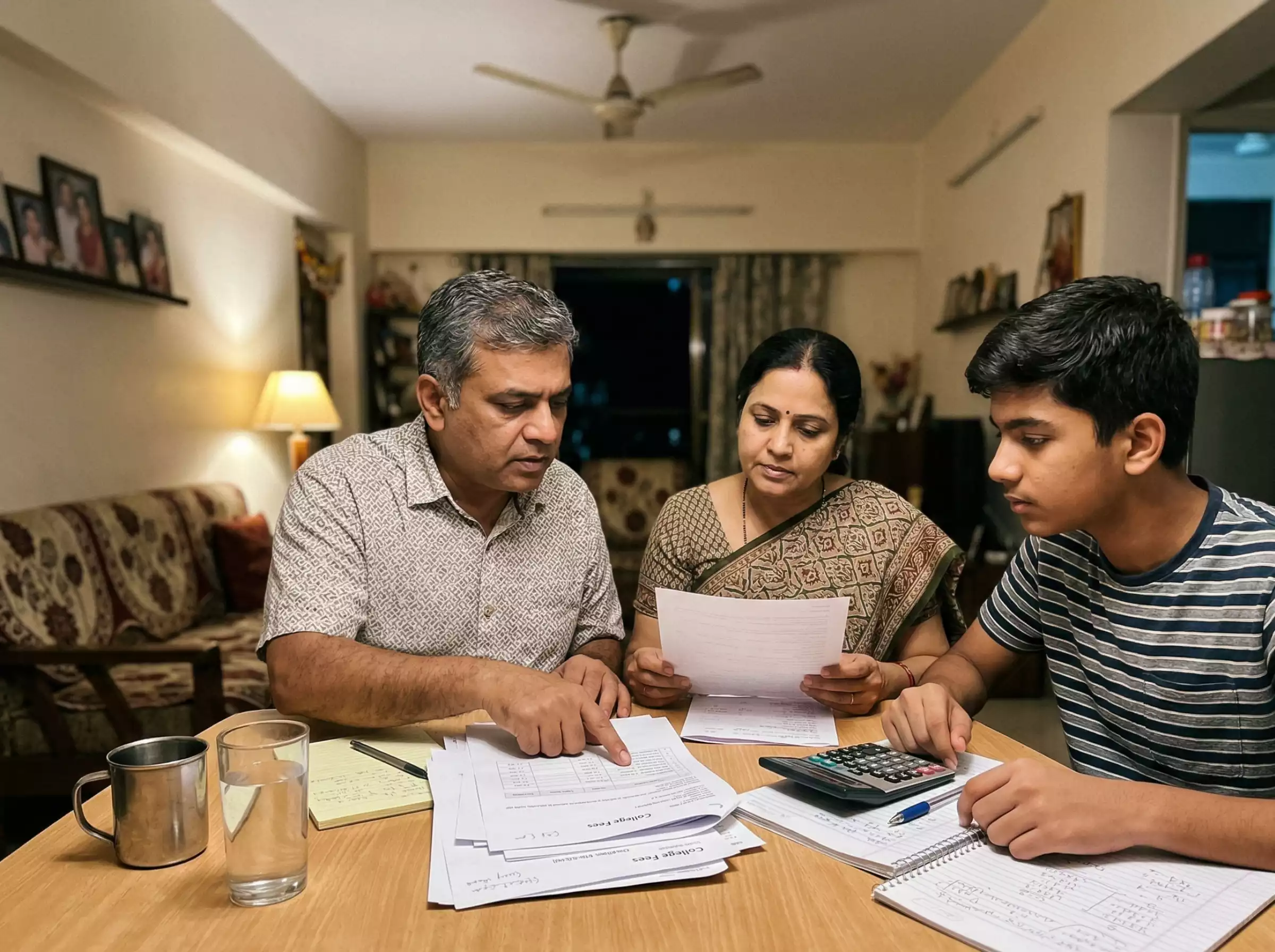
Let me give you the full picture - not just the tuition, but everything.
The way some agencies quote fees, you'd think Russia costs Rs 3 lakh a year total. That is not reality. Here is a realistic breakdown for a family budgeting honestly.
Tuition (6 years): Rs 18 - 30 lakhs depending on university (Rs 3 - 5 lakhs per year for most non-Moscow universities; Rs 6 - 8 lakhs per year for Moscow)
Hostel / Accommodation (6 years): Rs 2 - 4 lakhs (university hostels are typically Rs 30,000 - 60,000 per year; private accommodation in some cities can be higher)
Food (6 years): Rs 3 - 6 lakhs (Indian students who cook at home spend less; eating primarily at restaurants costs more; the availability of Indian groceries varies by city - Kazan and Moscow have good options, smaller cities may require some adaptation)
Flights (India-Russia, over 6 years, approximately 6 round trips): Rs 2.5 - 4 lakhs (current routing through Dubai or Istanbul adds time and cost)
Study materials, books, equipment: Rs 80,000 - 1.5 lakhs over 6 years
Visa and documentation: Rs 30,000 - 50,000
Health insurance (mandatory for student visa): Rs 60,000 - 90,000 over 6 years
Personal expenses, phone, local travel: Rs 2 - 4 lakhs over 6 years
Approximate Total for 6 Years: Rs 28 - 48 lakhs
The range is wide because Moscow is at the top end and Siberian cities are at the lower end. For Kazan or Ufa - my recommended cities - a realistic honest budget is Rs 32 - 40 lakhs for the full 6 years including everything.
Compare that with a private MBBS seat in Maharashtra today: Rs 80 lakhs to Rs 1.2 crores, frequently with a donation component on top that inflates the real number further. The financial case for Russia - for the right student - remains strong.
Eligibility: Does Your Child Qualify?
The eligibility criteria for MBBS in Russia are straightforward, and this is one of Russia's genuine advantages over domestic options.
Academic eligibility:
- Passed Class 12 with Physics, Chemistry, and Biology as core subjects
- Minimum 50% aggregate in PCB (45% for SC/ST/OBC candidates)
- Minimum age of 17 years at the time of admission
NEET score requirement:
- A valid NEET qualifying score is mandatory (as per NMC's FMGL Regulations 2021)
- The minimum qualifying score is 50th percentile for general category, 40th percentile for SC/ST/OBC
- For most NMC-approved Russian universities, a NEET score in the range of 400-500+ is competitive, though the minimum qualifying cut-off is the official standard
No IELTS or TOEFL required. English proficiency is established through the university's own admission process or assumed based on 12th standard education in English medium.
No donation fees. No capitation. This is a government-university system with transparent fee structures.
One thing families often ask: "My child got 350 in NEET. Can they study in Russia?" The honest answer is: the qualifying NEET score is what makes a student eligible. But I always advise families to consider the bigger picture - a student with 350 in NEET will face the NExT examination after 6 years, which is a demanding exam. The NEET score itself reflects preparation habits, and those habits matter for NExT too. Russia is not a shortcut around academic rigour - it's a different path to the same destination, and that path still requires consistent effort.
The Admission Process: How It Actually Works
I'll walk you through exactly what happens when a family decides to pursue MBBS in Russia through AV Global.
Step 1 - Free Counselling Call (Day 1)
We start by understanding your child completely. NEET score, preferred subject strengths and weaknesses, budget, city preferences, concerns about distance from home. We don't give everyone the same list - we shortlist universities based on your specific profile.
Step 2 - University Shortlisting and Application (Week 1-2)
Based on your profile, we identify 3-5 Russian universities that represent the best fit. We submit the application on your behalf. Most universities issue the official Admission Letter within 7-14 days.
Step 3 - Visa Application (Week 2-4)
Russian student visas require an Invitation Letter from the university (which we coordinate), your passport, academic certificates, medical fitness certificate, and a few standard documents. Our visa team handles the full process and prepares your child for the VFS appointment.
Step 4 - Pre-Departure Orientation (Week 5-6)
We conduct a detailed session covering Russian culture, city-specific information, banking options, SIM card setup, airport procedures, weather preparation, and what to expect in the first two weeks. This is not a 30-minute briefing - it is a thorough preparation.
Step 5 - Arrival and Settling In
Our on-ground team in Russia meets students at the airport in their respective city. We help with hostel check-in, SIM card, bank account setup, and the first grocery run. For many students, this is their first time away from home - we take that seriously.
Step 6 - Academic Support Through the Full 6 Years
We maintain contact with our students throughout. From Year 1 orientation to NExT preparation guidance starting in Year 3, to internship coordination and post-graduation planning - we do not disappear after the visa stamp.
MBBS in Russia vs Other Countries: How Does It Stack Up?
Families almost always ask me to compare Russia with another destination. Here is my honest framework.
Russia vs Georgia:
Georgia has higher FMGE pass rates on average and a significantly closer flight distance. The total cost is similar (Rs 28-40 lakhs for both in comparable universities). For families who are nervous about the Russia situation, Georgia is an excellent alternative. However, Georgia just announced a halt to state university admissions for foreign students from 2026 - which means the options there have narrowed to private universities, which carry slightly higher fees. Russia's state university system remains fully open to international students.
Russia vs Kazakhstan:
Kazakhstan is typically cheaper (Rs 18-28 lakhs total) and geographically perceived as more stable. The university infrastructure is generally good but the patient diversity in teaching hospitals is smaller than what Russian hospitals offer. For very budget-constrained families, Kazakhstan deserves serious consideration. For families who can stretch to Rs 35 lakhs and want the strongest clinical training, Russia is stronger.
Russia vs Uzbekistan:
Uzbekistan is the fastest-growing destination and offers excellent value. But its FMGE track record is newer and shorter than Russia's. Russia simply has more data - 50 years of producing Indian doctors is a significant track record.
Scams to Watch Out For: A Counsellor's Warning
I have to include this, because I see it regularly.
Fake NMC approval claims. Some agents will tell you that every university in Russia is "NMC approved." This is not true. Verify directly on wdoms.org and the current NMC list. Never take an agent's word alone.
Inflated university rankings. Phrases like "Ranked in the top 10 in Russia" or "WHO approved" are not meaningful for the purposes of Indian licensing. WDOMS listing and FMGE track record are what matter.
Hidden fees revealed after signing. A legitimate consultancy gives you a complete fee breakdown before any commitment - tuition, hostel, food, visa, AV Global service fee, everything. If someone is vague about the total cost, walk away.
"We'll help you clear FMGE after you graduate." This should be a service offered proactively during your MBBS, not a rescue operation offered as an afterthought. Ask any consultancy how they support students' NExT preparation during their years in Russia, not just at the end.
The FET / Foreign Entrance Test scam. There is no mandatory entrance test beyond NEET for any legitimate MBBS abroad admission. If an agent asks you to pay for a "Foreign Entrance Test" or "FET," that money is going into someone's pocket, not toward your child's admission.
Final Honest Assessment: Is Russia Right for Your Child?
Let me close the way I'd close a counselling session in my office.
Russia is a strong option for:
- Students with NEET scores of 400 and above who want a government university with genuine clinical infrastructure
- Families who are comfortable with the logistical adjustments (flight routing, banking) and have done their research on safe cities
- Students who want the recognition that comes with a Russian medical university degree and the genuine clinical exposure of a large teaching hospital
- Families for whom Rs 30-40 lakhs is a workable budget
Russia may not be the right choice for:
- Families where any element of geopolitical uncertainty is genuinely unacceptable - there are excellent alternatives in Georgia, Kazakhstan, and Uzbekistan
- Students who will struggle with extreme cold (Siberian universities) or who need very easy access to Indian food and community in Year 1
- Students who need significant handholding for NExT preparation from Day 1 and would be better served by Georgia's more established support ecosystem for Indian students
There is no single right answer. There is only the right answer for your child's specific situation - their score, their budget, their temperament, and your family's comfort level. That is why counselling exists.
If you would like to talk through Russia - or any of the other 30+ countries we work with - call us. The counselling is free. And the advice you'll get is the honest kind.
Quick Reference: Russia MBBS at a Glance
| Factor | Details |
|---|---|
| Programme Duration | 6 Years (including clinical rotations) |
| Medium of Instruction | English |
| NMC / WDOMS Recognition | Yes - all AV Global partner universities |
| NEET Requirement | Valid qualifying score (NMC FMGL 2021) |
| Total Cost Range | Rs 28 - 48 lakhs (6 years, all inclusive) |
| Best Cities | Kazan, Ufa, Samara, Tomsk, Omsk |
| Indian Student Community | Very large (18,000+ students nationwide) |
| Nearest Intake | September 2026 |
| Safety Status (2026) | Safe in eastern cities; exercise caution in western Russian cities |
| NExT Eligibility | Yes, subject to completing Indian internship |
Written by the AV Global Overseas Education counselling team. AV Global has been guiding Indian students to NMC-approved medical universities since 2009. We have on-ground teams in Russia and continue to support every student we send there from Day 1 to PG completion. To book a free counselling call, contact us at +91 8530 490 888 and +91 8530 450 888 or visit avglobaloverseas.com.
Related Reads:
- Is MBBS in Russia Still Safe in 2026? A City-by-City Safety Assessment
- Russia MBBS FMGE Pass Rates: Which Universities Actually Deliver Results?
- MBBS in Russia vs Georgia: An Honest Counsellor's Comparison for 2026
- Best Cities for MBBS in Russia: Kazan vs Ufa vs Kursk - A Real Comparison