

MBBS at Teaching University Hippocrates
AV Global recommends Teaching University Hippocrates as one of the most affordable and academically rigorous private medical universities in Georgia for Indian students. Established in 2005 in Tbilisi, this NMC-recognized university offers a European...
MBBS Fees at Teaching University Hippocrates for Indian Students 2025-26
$40,850 (approx. Rs.36.0 Lakhs)
Total MBBS Cost (6 Years)
Eligibility & Admission Process
Admission Process
Step 1: Eligibility Check - NEET qualification is mandatory for all Indian students. Minimum 50th percentile for General category candidates; 40th percentile for SC/ST/OBC candidates as per NMC regulations. Age must be 17 years or above by December 31 of the admission year.
No maximum age limit applies. Step 2: Free Counseling with AV Global - Schedule a no-obligation counseling session with our senior advisors who will review your NEET score, academic background, family budget, and career aspirations to confirm whether Teaching University Hippocrates is the right fit for your goals. This session is completely free and helps you make an informed decision.
Step 3: Document Preparation - Begin gathering the following documents well in advance: 10th standard mark sheet (notarized), 12th standard mark sheet (notarized and apostilled by MEA), NEET scorecard and NEET admit card (original and copies), valid passport with minimum 18 months validity remaining, birth certificate (notarized and apostilled), medical fitness certificate from a registered practitioner, HIV negative test report not older than 3 months, police clearance certificate or character certificate from school principal, COVID-19 vaccination certificate showing both doses, and 6 recent passport-size photographs with white background. Apostille is the process of getting Indian documents authenticated by the Ministry of External Affairs for use abroad - AV Global assists with this process. Step 4: Application Submission - AV Global submits your complete application package directly to Teaching University Hippocrates admission office on your behalf.
We ensure all documents meet university requirements and follow up on your application status. Step 5: Invitation Letter - The university reviews your application and issues an official invitation letter within 10-15 working days. This letter is required for the visa application process.
Step 6: Visa Application - Apply for a Georgian student visa at the Georgian Embassy in New Delhi or consulate using the invitation letter, passport, financial documents, and other supporting papers. AV Global provides complete visa guidance and document checklist. Georgian student visa approval rate for Indian students is very high.
Step 7: Pre-Departure Briefing and Arrival Support - AV Global conducts a comprehensive pre-departure orientation covering airport pickup arrangements, currency exchange, local SIM card activation, opening a bank account, first-week checklist, cultural adaptation tips, and emergency contacts. Our local representative receives students at Tbilisi International Airport and assists with hostel check-in, university registration formalities, and settling-in support during the first week.
Documents Required for Admission
About TUH
History & Legacy
Teaching University Hippocrates was founded in 2005 by a consortium of Georgian medical educators led by Professor Avtandil Koridze, MD, PhD, a distinguished cardiologist and medical education reformer who served as the founding Rector until 2018. The university was established with the specific mission of creating a modern, internationally-oriented medical institution that could meet European Union medical education directives while remaining affordable for students from developing nations. The institution received its initial accreditation from the Ministry of Education and Science of Georgia in 2006 and was listed in the World Directory of Medical Schools (WDOMS) maintained by the Foundation for Advancement of International Medical Education and Research (FAIMER) in 2007.
The university achieved WHO recognition in 2008, making it eligible for Indian students under the then-Medical Council of India (now NMC) guidelines. In 2012, Teaching University Hippocrates expanded its clinical network by signing memorandums of understanding with 12 major hospitals across Tbilisi, dramatically increasing bed capacity available for student rotations. The university underwent significant infrastructure development between 2014 and 2017, adding state-of-the-art anatomy and pathology laboratories equipped with digital microscopy.
Today, over 600 graduates practice medicine across India, having successfully cleared FMGE, with notable alumni working at Apollo Hospitals Delhi, Fortis Healthcare Mumbai, and several district hospitals across Uttar Pradesh, Bihar, and West Bengal. Approximately 85 graduates have pursued postgraduate specialization in European countries including Germany, Poland, and Italy after completing MBBS.
Accreditation & Recognition
Teaching University Hippocrates holds full recognition from the National Medical Commission (NMC) of India, making its graduates eligible to appear for the Foreign Medical Graduate Examination (FMGE), now being replaced by the National Exit Test (NExT). The university has been continuously listed in the World Directory of Medical Schools (WDOMS) since 2007 and maintains WHO recognition since 2008. The institution is accredited by the National Center for Educational Quality Enhancement of Georgia, the statutory quality assurance body under the Ministry of Education and Science of Georgia.
Teaching University Hippocrates holds ECFMG eligibility, allowing graduates to pursue USMLE pathway for medical licensure in the United States. The university meets General Medical Council (GMC) standards for PLAB examination eligibility in the United Kingdom. The institution is a member of the Association for Medical Education in Europe (AMEE) and maintains partnerships with several European medical schools for student exchange programs.
All academic programs undergo annual review by the Georgian accreditation authority to ensure compliance with European higher education standards. Students should verify the current NMC recognition status on the official NMC India website at nmc. org.
in before enrolling, as recognition is subject to periodic review.
Faculty & Teaching
Teaching University Hippocrates employs a faculty strength of approximately 180 full-time and adjunct professors, of whom 62% hold doctoral degrees (PhD, MD, or equivalent). The clinical faculty includes practicing physicians from affiliated hospitals who bring current medical practice directly into teaching. The pre-clinical departments (Anatomy, Physiology, Biochemistry, Pathology, Pharmacology, Microbiology) are staffed primarily by Georgian professors with extensive teaching experience, several of whom have completed fellowships or training programs in Germany, France, and the United States.
The faculty-to-student ratio is maintained at approximately 1:12 for pre-clinical subjects and 1:8 for clinical rotations, ensuring adequate attention during ward rounds and practical training. The Department of Internal Medicine is particularly strong, with professors specializing in cardiology, gastroenterology, and nephrology. The Surgery department faculty includes experienced general surgeons, orthopedic specialists, and trauma care experts.
English-medium instruction is delivered by faculty members who have undergone language proficiency training and pedagogical development programs specifically designed for international student cohorts.
Campus & Infrastructure
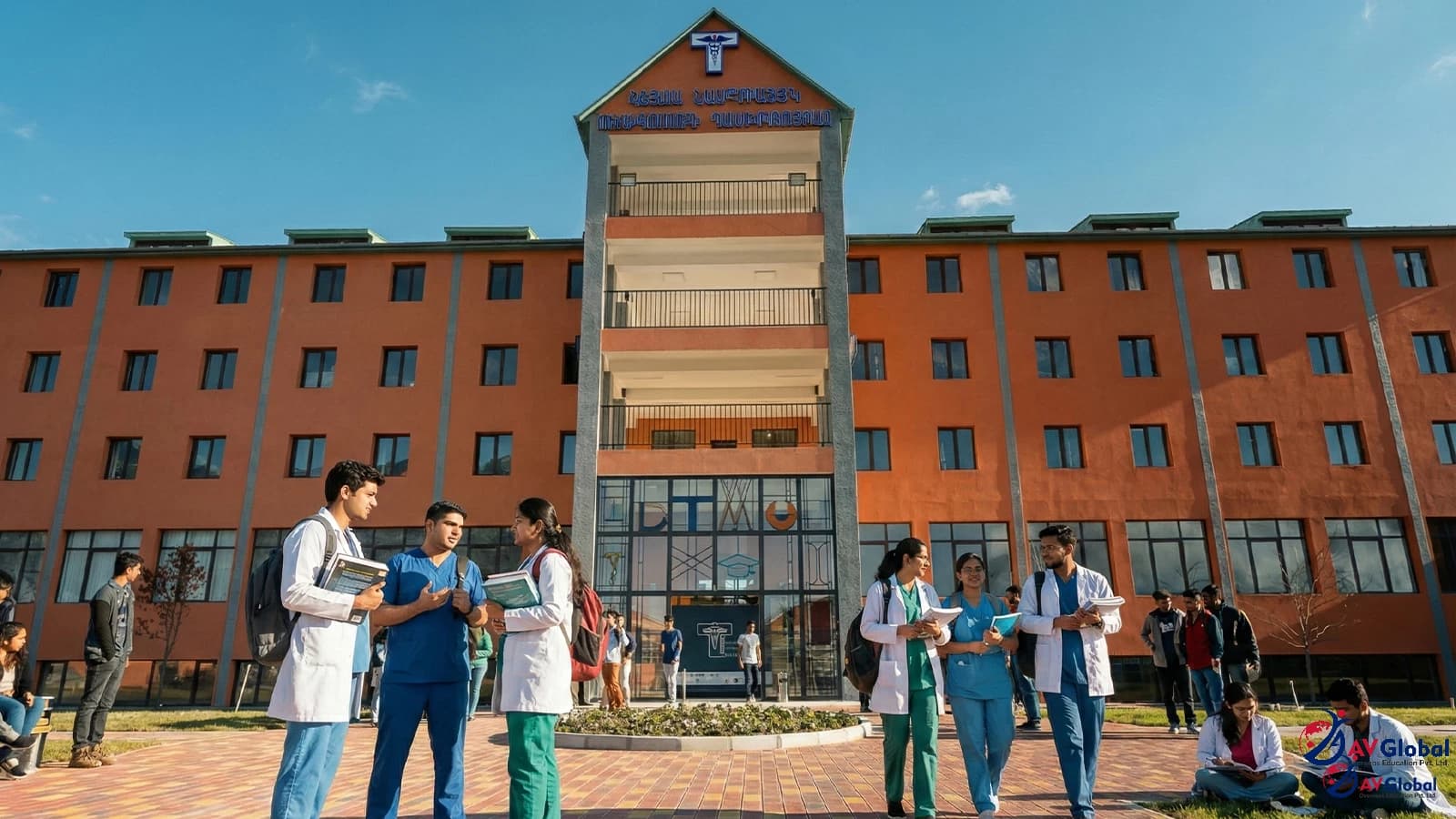
Teaching University Hippocrates operates from its main campus located in the Saburtalo district of Tbilisi, one of the city's prime educational zones near Tbilisi State University and the Technical University of Georgia. The campus encompasses a modern academic building housing 12 well-equipped lecture halls with audiovisual teaching aids and projection systems. The Anatomy Department features three large dissection halls with adequate cadaveric specimens for practical learning, ventilation systems, and cold storage facilities meeting international standards.
The university maintains dedicated Histology and Pathology laboratories equipped with over 80 Olympus binocular microscopes and digital pathology workstations. A well-stocked medical library provides access to over 8,000 print volumes and subscriptions to international medical journals including The Lancet, JAMA, and BMJ through online databases. Computer laboratories with 60+ workstations provide internet access for research and online learning modules.
The campus cafeteria serves both Georgian and adapted Indian-friendly vegetarian meals. A modest gymnasium and outdoor sports area support recreational activities. Student hostels are located within a 10-15 minute walking distance from the academic buildings in the same Saburtalo neighborhood.
The campus is secured with CCTV surveillance and security personnel present during all operating hours.
What You'll Study (Year-by-Year)
The 6-year MD (equivalent to MBBS) program at Teaching University Hippocrates follows the European Credit Transfer System (ECTS) aligned with Bologna Process standards while incorporating preparation for Indian screening examinations. Year 1 establishes medical foundations through Anatomy (including gross anatomy, neuroanatomy, and embryology with full cadaveric dissection practicals), Physiology (covering all organ systems with laboratory experiments), Biochemistry (metabolic pathways, clinical biochemistry), Histology (microscopic tissue study with slide examinations), Medical Biology and Genetics, Medical Psychology, and Introduction to Clinical Medicine. Teaching methodology includes didactic lectures (40%), laboratory practicals (35%), and small group discussions (25%).
Year 2 advances into pathological sciences: General and Systemic Pathology, Medical Microbiology and Virology, Parasitology, Immunology, General and Clinical Pharmacology, and Introduction to Internal Medicine. Students begin learning clinical examination techniques through simulated patients and standardized objective structured clinical examinations (OSCEs). Year 3 marks transition to clinical environment with rotations in Propedeutics of Internal Medicine, General Surgery, Pediatrics, and Obstetrics-Gynecology alongside continued classroom instruction in Radiology, Medical Imaging, and Forensic Medicine.
Students observe patient consultations, assist in history-taking, and perform basic clinical examinations under supervision in affiliated hospitals. Year 4 intensifies clinical training with dedicated rotations: Internal Medicine (Cardiology, Pulmonology, Gastroenterology, Nephrology), General Surgery and Surgical Specialties, Pediatrics and Neonatology, Obstetrics and Gynecology, Neurology, Psychiatry, Infectious Diseases, and Emergency Medicine. Students participate in ward rounds, present clinical cases, and assist in minor procedures.
Year 5 consists predominantly of clinical rotations (75% time in hospitals) across all major specialties with increasing responsibility: students take patient histories independently, propose differential diagnoses, suggest investigation plans, and assist in treatment under faculty supervision. Rotations include Oncology, Hematology, Endocrinology, Dermatology, Ophthalmology, ENT, Orthopedics and Traumatology, Urology, and Anesthesiology. Year 6 is the supervised clinical internship year where students rotate through Internal Medicine, Surgery, Pediatrics, Obstetrics-Gynecology, Emergency Medicine, and Family Medicine, functioning as junior doctors under direct consultant supervision.
Assessment throughout includes written examinations (MCQ format similar to FMGE patterns), oral examinations, OSCE practical assessments, and clinical case presentations. The curriculum specifically incorporates FMGE/NExT preparation through regular mock tests, screening exam-focused revision modules in Years 5 and 6, and subject-wise question bank practice sessions conducted by faculty familiar with Indian licensing examination patterns.
Teaching Hospital
Teaching University Hippocrates maintains clinical training affiliations with 18+ hospitals across Tbilisi, providing students access to over 3,200 hospital beds across multiple specialties. The primary teaching hospital is Khechinashvili University Hospital, a 420-bed multi-specialty facility located 3 kilometers from the main campus, serving as the principal site for Internal Medicine and Surgery rotations. Students also rotate through Zhvania Children's Hospital (specialized Pediatrics training with 180 beds), Iashvili Central Hospital (focus on Emergency Medicine and Trauma with 310 beds), and Tbilisi Maternity Hospital Number 1 (Obstetrics and Gynecology with 150 beds). Clinical exposure begins in Year 3 with observation and patient history-taking, advancing to supervised clinical procedures in Years 4 and 5. The affiliated hospitals provide exposure to comprehensive specialties including Cardiology, Pulmonology, Gastroenterology, Nephrology, General Surgery, Orthopedics, Ophthalmology, ENT, Dermatology, Psychiatry, and Radiology. These hospitals are equipped with modern diagnostic facilities including CT scanners, MRI machines, digital X-ray, ultrasound, echocardiography, and comprehensive laboratory diagnostics. The combined patient footfall across affiliated hospitals exceeds 45,000 outpatient consultations and 18,000 admissions monthly, ensuring adequate clinical case exposure. Clinical faculty supervising rotations are board-certified specialists practicing actively in these hospitals.
Campus & Hostel Life
The Teaching University Hippocrates campus occupies a modern multi-story academic building in Tbilisi's Saburtalo district, strategically located in the educational hub of the capital where several ma
Teaching University Hippocrates provides hostel accommodation located within 500 meters walking distance from the main academic building in the Saburtalo district of Tbilisi. Students have the choice
Tbilisi has a thriving Indian food scene with several well-established restaurants serving authentic Indian cuisine. Namaste India restaurant located in Vera district (2.5 km from campus) offers excellent North Indian dishes including tandoori items, biryanis, and vegetarian thalis at reasonable prices of 15-25 GEL per meal. Bombay Restaurant near Rustaveli Avenue serves South Indian dosas, idlis, and traditional curries loved by students from Kerala and Tamil Nadu. Taj Mahal Restaurant in the city center is run by an Indian family and provides home-style cooking with daily special menus. Delhi Gate near Freedom Square is popular among students for affordable lunch combos. Indian grocery stores including Patel Brothers Tbilisi and India Bazaar stock essential ingredients like atta flour, rice varieties (basmati, sona masoori), dals (toor, moong, chana), spices, pickles, papad, instant mixes, and frozen items. Monthly food cost varies significantly based on cooking habits: students who cook most meals at the hostel kitchen spend approximately Rs.5,000 to Rs.9,000 per month on groceries, while those who eat out frequently at restaurants spend Rs.10,000 to Rs.18,000 monthly. Georgian cuisine offers excellent vegetarian options including khachapuri (cheese bread), pkhali (vegetable pâté), lobio (bean stew), and various eggplant preparations which many Indian students enjoy. Several senior Indian students run informal meal-sharing groups where cooking duties rotate, helping reduce costs and homesickness. The university canteen serves basic international meals but does not have a dedicated Indian mess. Most students develop a mixed pattern of cooking simple Indian breakfasts and dinners at the hostel while occasionally eating out on weekends.
Tbilisi is the vibrant capital and largest city of Georgia with a metropolitan population of approximately 1.2 million people. The city experiences four distinct seasons: warm summers from June to August with temperatures ranging from 20-32 degrees Celsius, pleasant spring and autumn with temperatures between 10-22 degrees Celsius ideal for sightseeing, and cold winters from December to February with temperatures dropping to -2 to 8 degrees Celsius with occasional snowfall. Tbilisi has an efficient and affordable public transport system including a modern metro with two lines connecting major districts (fare: 1 GEL per ride), extensive bus network covering the entire city, and minibus marshrutkas for shorter routes. Most Indian students purchase monthly transport passes for unlimited travel costing approximately 40 GEL (Rs.3,000). Weekend attractions include the historic Old Town with sulfur baths and Narikala Fortress offering panoramic city views, the modern Bridge of Peace, Mtatsminda Park amusement area reached by funicular railway, Rustaveli Avenue for shopping and cafes, and the beautiful Botanical Garden. Day trips and weekend getaways are popular to nearby destinations like Mtskheta (ancient capital and UNESCO site 25 km away), Kazbegi mountain region with stunning Gergeti Trinity Church, wine regions of Kakheti, and the Black Sea coastal city of Batumi (6-hour train journey). Monthly living expenses for Indian students including food, local transport, mobile phone, entertainment, and miscellaneous costs range from Rs.15,000 to Rs.28,000 depending on lifestyle choices. Tbilisi International Airport (Shota Rustaveli Airport) has direct connections to major Indian cities via airlines including Air Arabia, FlyDubai, and Turkish Airlines with convenient one-stop flights through Dubai, Sharjah, or Istanbul. Flight time from Delhi to Tbilisi is approximately 7-8 hours total including layover.
Tbilisi consistently ranks as one of the safest capital cities in Eastern Europe and the Caucasus region. According to Numbeo crime index data, Tbilisi scores 74.5 out of 100 on the safety scale, indicating very low crime rates. Violent crime against international students is extremely rare, and Georgia's welcoming attitude toward foreign students creates a secure environment. Teaching University Hippocrates campus features gated entry points with security personnel monitoring all visitors, CCTV surveillance covering campus grounds and building entrances, and well-lit pathways between academic blocks and hostels. The Saburtalo and Vake neighborhoods where most students live are considered among the safest residential areas in Tbilisi with strong police presence and family-friendly atmospheres. Female students consistently report feeling very safe walking to nearby shops and restaurants even during evening hours, though we always recommend traveling in groups after dark as a general precaution. Safe neighborhoods particularly suitable for student accommodation include Saburtalo (where the university is located), Vake (upscale residential area popular with expats), Dighomi (modern development with good facilities), and Vera (central location with embassies). The Indian Embassy in Georgia is located at 5 Akhvlediani Street, Tbilisi, Georgia with helpline number +995 322 98 98 06 available for emergency assistance to Indian nationals. Students should save this number immediately upon arrival. Georgia's universal emergency number is 112 with English-language operators available 24/7 for police, ambulance, or fire services. AV Global maintains a local emergency contact number +995 599 123 456 which students and parents can reach any time for urgent matters including medical emergencies, legal issues, or safety concerns. Our local representative conducts monthly check-ins with student batches and is available within 30 minutes for any serious situation. Parents consistently tell us that safety is their top concern when sending children abroad, and we can confidently say Teaching University Hippocrates and Tbilisi provide one of the safest study environments among all international medical destinations.
After MBBS: Your Career Paths
Graduates of Teaching University Hippocrates are fully eligible to practice medicine in India after clearing the National Exit Test (NExT) which has replaced the earlier FMGE examination. The NExT pathway requires students to appear for NExT Step 1 (theory examination testing knowledge across all medical subjects) and NExT Step 2 (practical and clinical skills assessment) typically taken during the final year or immediately after graduation. Upon clearing both steps of NExT with the qualifying percentile, graduates apply for registration with their respective State Medical Council which processes applications within 2-3 months and issues the permanent medical registration certificate enabling legal practice in India.
Starting salaries for freshly qualified MBBS doctors in India vary significantly by sector and location: government hospital positions including medical officer roles offer Rs. 60,000 to Rs. 80,000 per month with job security and pension benefits, private hospital positions range from Rs.
40,000 to Rs. 70,000 monthly in tier-2 and tier-3 cities and Rs. 70,000 to Rs.
1,20,000 in metropolitan hospitals, while rural posting under bond obligations typically pay Rs. 50,000 to Rs. 75,000 monthly.
Many graduates choose to pursue postgraduate specialization through NEET-PG examination which is highly competitive but opens doors to MD/MS degrees in specialties like Radiology, Dermatology, Pediatrics, Orthopedics, and Anesthesiology leading to significantly higher earning potential of Rs. 1,50,000 to Rs. 4,00,000 monthly for established specialists.
Government sector opportunities include positions in Primary Health Centers, Community Health Centers, District Hospitals, Medical Colleges as junior residents and later as Assistant Professors, and state health department administrative roles. Private sector opportunities span corporate hospital chains, specialty clinics, nursing homes, diagnostic centers, and entrepreneurial options like opening your own clinic or polyclinic. Teaching University Hippocrates curriculum includes strong emphasis on clinical case-based learning and bedside teaching in affiliated hospitals which directly benefits students preparing for NExT examinations that heavily feature clinical scenarios, case presentations, and practical skill assessments rather than pure theoretical questions.
The United States pathway is highly sought after by ambitious medical graduates seeking world-class training and substantially higher earning potential. Graduates of Teaching University Hippocrates are eligible for ECFMG certification, making them qualified to pursue residency training in the United States. The USMLE pathway consists of three examinations: USMLE Step 1 (comprehensive basic sciences exam covering anatomy, physiology, biochemistry, pathology, pharmacology, and microbiology typically taken after completing Year 3 or 4, now pass/fail scoring), USMLE Step 2 Clinical Knowledge (clinical sciences exam covering internal medicine, surgery, pediatrics, obstetrics-gynecology, psychiatry taken during final year or after graduation, scored examination), and USMLE Step 2 Clinical Skills which was suspended during COVID-19 and has not yet been reinstated as of January 2025.
After passing USMLE Step 1 and Step 2 CK, graduates apply for ECFMG certification which verifies medical education credentials. The residency match process occurs through the National Resident Matching Program (NRMP) where applicants submit applications to hundreds of residency programs, complete interview tours across the United States during autumn months, and submit rank order lists which are algorithmically matched to program preferences in March each year. Resident physician salaries in the United States are standardized within institutions and range from approximately $55,000 to $70,000 annually during the 3-7 year residency training period depending on specialty and year of training, with benefits including health insurance and malpractice coverage.
After completing residency and obtaining board certification, attending physicians earn substantially higher salaries varying by specialty: primary care physicians (family medicine, internal medicine, pediatrics) average $200,000 to $250,000 annually, procedural specialties (general surgery, orthopedics, urology) range from $300,000 to $500,000, and highly specialized fields (cardiology, gastroenterology, radiology, anesthesiology) command $350,000 to $600,000 or more in established practice. Total USMLE examination costs including registration fees, preparation materials, question banks, and review courses typically range from $5,000 to $8,000, while the residency application process including ERAS fees, travel for interviews, and related expenses can cost $10,000 to $20,000. The US pathway is challenging and competitive but offers the highest financial returns and access to cutting-edge medical technology and research opportunities.
The United Kingdom offers an attractive alternative pathway for Teaching University Hippocrates graduates seeking to practice in a developed healthcare system with strong professional standards and reasonable work-life balance. The UK pathway requires clearing PLAB (Professional and Linguistic Assessments Board) examinations administered by the General Medical Council (GMC). PLAB Part 1 is a computer-based examination testing applied medical knowledge across all major specialties through 180 multiple-choice questions administered at British Council centers in India and other countries, costing approximately GBP 275 (Rs.
28,000). After clearing PLAB Part 1, candidates appear for PLAB Part 2, a practical OSCE (Objective Structured Clinical Examination) conducted at the GMC headquarters in Manchester testing clinical examination skills, communication, diagnosis, and management through 14 stations with simulated patients, costing approximately GBP 895 (Rs. 92,000).
Upon successfully passing both PLAB examinations and meeting English language requirements (IELTS or OET), graduates apply for GMC registration which grants them a license to practice medicine in the United Kingdom. The NHS Foundation Programme is the typical entry point consisting of two years (F1 and F2) rotating through various specialties with structured training and supervision. Foundation Year 1 doctors earn approximately GBP 29,000 to GBP 34,000 annually (Rs.
30-35 Lakhs), while Foundation Year 2 salaries increase to GBP 34,000 to GBP 40,000. After completing foundation training, doctors enter specialty training programs lasting 3-8 years depending on chosen specialty, with salaries progressively increasing to GBP 43,000 to GBP 63,000 as specialty trainees. Consultant (equivalent to attending physician) salaries in the NHS range from GBP 88,000 to GBP 119,000 (Rs.
90 Lakhs to Rs. 1. 22 Crores annually) with opportunities for private practice supplementing NHS income.
Total PLAB examination costs including both parts, preparation materials, and travel to Manchester for Part 2 typically amount to GBP 2,000 to GBP 3,000 (Rs. 2-3 Lakhs). Teaching University Hippocrates graduates are eligible for the UK pathway and several alumni are currently working in NHS hospitals across England, Scotland, and Wales.
The UK offers faster pathway to independent practice compared to the US and provides excellent quality of life with shorter working hours, comprehensive social benefits, and opportunities for permanent residency through skilled worker visa routes.
Georgia offers local licensing and residency opportunities for international medical graduates who wish to practice in the country, though this pathway is less common among Indian students who typically prefer returning to India or pursuing opportunities in the USA, UK, or other countries. To obtain a Georgian medical license, graduates must pass the Georgian Medical Licensing Examination conducted in Georgian or Russian language, which requires significant language proficiency. Licensed doctors can work in Georgian hospitals, clinics, or healthcare centers with monthly salaries ranging from 1,500 to 3,000 GEL (approximately Rs.
45,000 to Rs. 90,000) which is modest compared to Western countries but sufficient for comfortable living given Georgia's low cost of living. Teaching University Hippocrates itself offers postgraduate programs including residency training in various specialties such as Internal Medicine, Surgery, Pediatrics, and Obstetrics-Gynecology for those interested in advanced training.
Some Indian students choose to stay in Georgia for 1-2 years after graduation to gain additional clinical experience in affiliated hospitals while preparing for USMLE or PLAB examinations, benefiting from the affordable cost of living and European clinical exposure. The local pathway may be relevant for students who develop strong attachment to Georgia during their six years of study, marry locally, or wish to establish practice in the growing private healthcare sector serving medical tourism. However, for most Indian graduates, Georgia serves as an excellent affordable destination to obtain quality medical education with the intention of returning to practice in India or pursuing international opportunities rather than permanent settlement in Georgia.
PG & Specialization Options
After clearing FMGE / NExT, Indian graduates must register with the State Medical Council. PG admissions are via NEET-PG. Foreign graduates may also pursue USMLE (USA), PLAB (UK), or AMC (Australia).
NMC + Exam Info
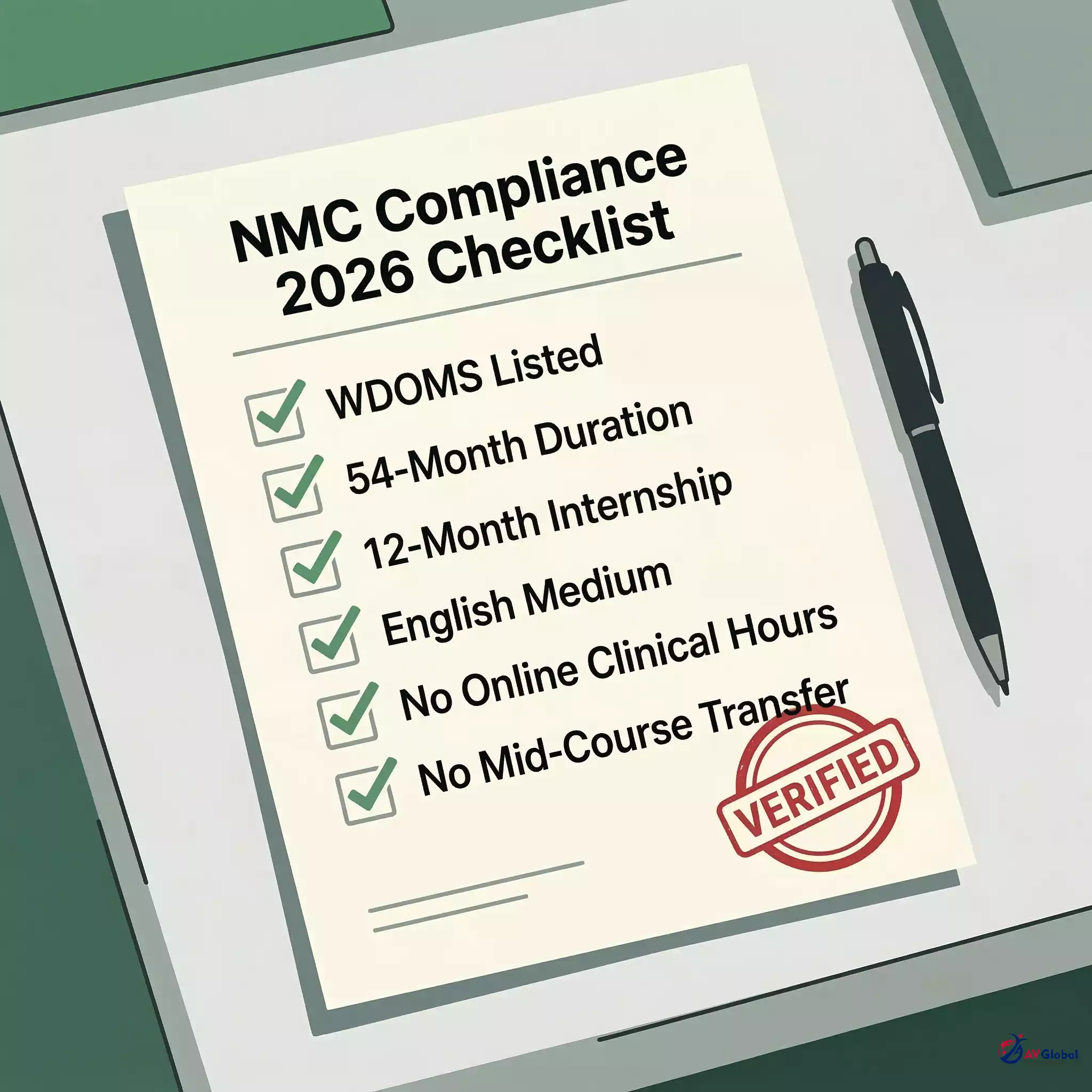
Teaching University Hippocrates is fully recognized by the National Medical Commission (NMC) of India and has been continuously listed in the World Directory of Medical Schools (WDOMS) since 2007, confirming its eligibility for Indian students pursuing medical education abroad. Graduates holding the MD degree from Teaching University Hippocrates are eligible to appear for the National Exit Test (NExT), which is progressively replacing the Foreign Medical Graduate Examination (FMGE) as the mandatory screening test for foreign medical graduates seeking to practice in India.
As per current NMC regulations, students must obtain an Eligibility Certificate from NMC before admission to any foreign medical university and must complete a compulsory rotating internship as specified by NMC guidelines. The Eligibility Certificate verifies that the chosen university meets NMC recognition criteria and that the student meets eligibility requirements including NEET qualification.
Indian students must have qualified NEET with minimum 50th percentile for General category or 40th percentile for SC/ST/OBC categories in the year of or previous year to admission. Upon completing the 6-year program including internship, graduates must apply for the Permanent Registration Eligibility Certificate from NMC before appearing for NExT.
It is the responsibility of students and parents to independently verify the current NMC recognition status of Teaching University Hippocrates on the official NMC India website at nmc. org.
in before enrolling, as recognition is subject to periodic review and NMC maintains the authority to withdraw or modify recognition based on quality assessments and compliance with evolving regulations.
Year: 2024 | Appeared: 82 | Passed: 29 | Pass Rate: 35. 4% || Year: 2023 | Appeared: 76 | Passed: 26 | Pass Rate: 34.
2% || Year: 2022 | Appeared: 68 | Passed: 21 | Pass Rate: 30.
What Our Students Say
“AV Global guided me from NEET to Georgia. The FMGE coaching from Year 3 gave me real confidence. Cleared in the first attempt.”
“AV Global knew every detail about Teaching University Hippocrates - visa, hostel, airport pickup. Best decision my family made.”
“Support from AV Global in Georgia made everything smooth. The NExT coaching programme is excellent.”
Complete Guide to MBBS at TUH
Frequently Asked Questions
Yes, TUH is listed in WDOMS and recognized by NMC India. Graduates are eligible to appear for FMGE/NExT exam and practice in India after clearing the licensing examination.
The total 6-year MBBS cost at TUH is approximately ₹$40,850 (approx. Rs.
36. 0 Lakhs).
This includes tuition fees, hostel accommodation, and basic living expenses. AV Global provides transparent fee structure with no hidden charges.
TUH teaches MBBS in English medium. Universities in Georgia do not require IELTS or TOEFL for Indian students.
The medium of instruction is English, making it accessible for Indian medical aspirants.
Indian students need a valid NEET scorecard to apply for MBBS at TUH. The cutoff varies each year based on seat availability.
Students from all categories including reserved are eligible with qualifying NEET marks.
Tbilisi has a thriving Indian food scene with several well-established restaurants serving authentic Indian cuisine. Namaste India restaurant located in Vera district (2.
5 km from campus) offers excellent North Indian dishes including tandoori items, biryanis, and vegetarian thalis at reasonable prices of 15-25 GEL per meal. Bombay Restaurant near Rustaveli Avenue serves South Indian dosas, idlis, and traditional curries loved by students from Kerala and Tamil Nadu.
Taj Mahal Restaurant in the city center is run by an Indian family and provides home-style cooking with daily special menus. Delhi Gate near Freedom Square is popular among students for affordable lunch combos.
Indian grocery stores including Patel Brothers Tbilisi and India Bazaar stock essential ingredients like atta flour, rice varieties (basmati, sona masoori), dals (toor, moong, chana), spices, pickles, papad, instant mixes, and frozen items. Monthly food cost varies significantly based on cooking habits: students who cook most meals at the hostel kitchen spend approximately Rs.
5,000 to Rs. 9,000 per month on groceries, while those who eat out frequently at restaurants spend Rs.
10,000 to Rs. 18,000 monthly.
Georgian cuisine offers excellent vegetarian options including khachapuri (cheese bread), pkhali (vegetable pâté), lobio (bean stew), and various eggplant preparations which many Indian students enjoy. Several senior Indian students run informal meal-sharing groups where cooking duties rotate, helping reduce costs and homesickness.
The university canteen serves basic international meals but does not have a dedicated Indian mess. Most students develop a mixed pattern of cooking simple Indian breakfasts and dinners at the hostel while occasionally eating out on weekends.
TUH provides well-maintained hostel accommodation for international students. Teaching University Hippocrates provides hostel accommodation located within 500 meters walking distance from the main academic building in the Saburtalo district of Tbilisi.
The MBBS program at TUH is 6 years including a 1-year internship. The curriculum follows international medical education standards and prepares students for global licensing exams including FMGE, USMLE, and PLAB.
Yes, graduates from TUH can practice in India after clearing the FMGE/NExT licensing exam conducted by NMC. The university has a 35% (2024 estimate) FMGE pass rate.
The degree is recognized for medical practice in India.
Tbilisi consistently ranks as one of the safest capital cities in Eastern Europe and the Caucasus region. According to Numbeo crime index data, Tbilisi scores 74.
5 out of 100 on the safety scale, indicating very low crime rates. Violent crime against international students is extremely rare, and Georgia's welcoming attitude toward foreign students creates a secure environment.
Teaching University Hippocrates campus features gated entry points with security personnel monitoring all visitors, CCTV surveillance covering campus grounds and building entrances, and well-lit pathways between academic blocks and hostels. The Saburtalo and Vake neighborhoods where most students live are considered among the safest residential areas in Tbilisi with strong police presence and family-friendly atmospheres.
Female students consistently report feeling very safe walking to nearby shops and restaurants even during evening hours, though we always recommend traveling in groups after dark as a general precaution. Safe neighborhoods particularly suitable for student accommodation include Saburtalo (where the university is located), Vake (upscale residential area popular with expats), Dighomi (modern development with good facilities), and Vera (central location with embassies).
The Indian Embassy in Georgia is located at 5 Akhvlediani Street, Tbilisi, Georgia with helpline number +995 322 98 98 06 available for emergency assistance to Indian nationals. Students should save this number immediately upon arrival.
Georgia's universal emergency number is 112 with English-language operators available 24/7 for police, ambulance, or fire services. AV Global maintains a local emergency contact number +995 599 123 456 which students and parents can reach any time for urgent matters including medical emergencies, legal issues, or safety concerns.
Our local representative conducts monthly check-ins with student batches and is available within 30 minutes for any serious situation. Parents consistently tell us that safety is their top concern when sending children abroad, and we can confidently say Teaching University Hippocrates and Tbilisi provide one of the safest study environments among all international medical destinations.
After MBBS from TUH, graduates can practice in India via FMGE/NExT, pursue USMLE for USA, PLAB for UK, or practice in Georgia. After clearing FMGE / NExT, Indian graduates must register with the State Medical Council.
PG admissions are via NEET-PG.
Related Articles

Ready to Start Your MBBS Journey?
“AV Global has placed 100+ students at Teaching University Hippocrates. Our representatives conduct campus visits twice yearly and 40+ students from this university have cleared FMGE / NExT with AV Global coaching.”